At a time when ethnic issues are debated almost daily, young people from political parties in North Macedonia are calling for a different approach. They say politics shouldn't use differences, whether ethnic or gender-based, to create division or score political points, but should instead build bridges between communities and focus on the problems that affect everyone.
What stands out is that this generation, unlike those before it, is showing a stronger gender balance among candidates, though that progress remains largely on paper. Once you move from candidate lists to actual positions of power, women remain noticeably underrepresented in parliament, in government, and in leadership roles more broadly.
In a vox pop for Mollëkuqja, young people from political parties delivered a unanimous message: coexistence needs to be part of everyday life, and differences, whether ethnic, gender-based, or otherwise, should be seen as an asset rather than an obstacle.
DUI, "Let's build bridges, not walls"
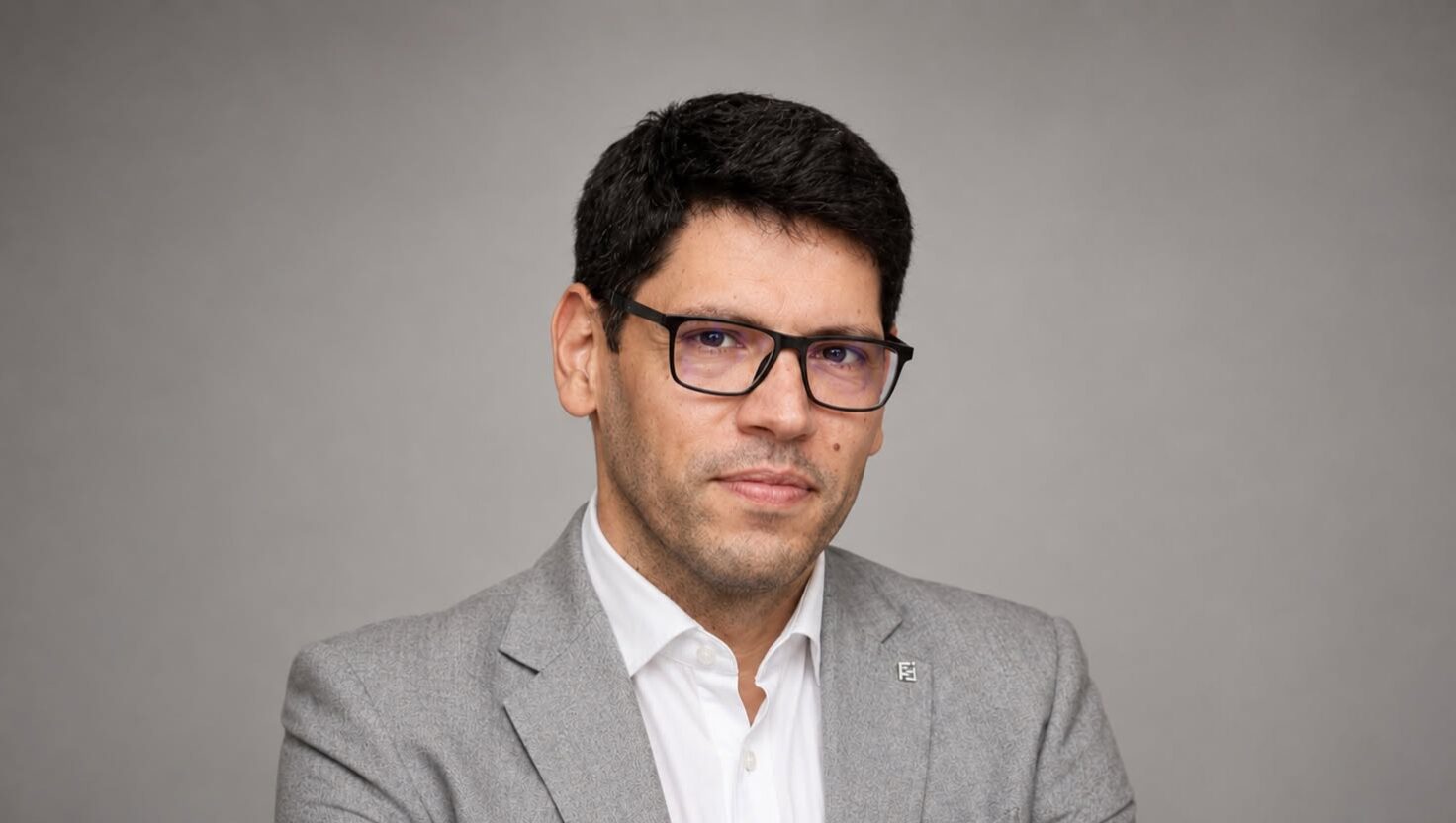
Art Zylbehari from the Democratic Union for Integration (DUI) says young people should be the generation that moves past divisions and builds bridges between communities instead of walls.
For Zylbehari, one of the foundations of coexistence is the Ohrid Framework Agreement, which he sees as a guarantee for all communities.
"We need to understand that the Ohrid Agreement isn't just about Albanians or Macedonians. That framework is a guarantee for every community living in this country," Zylbehari says.
"Any attempt to undermine it or disregard its spirit has consequences. It deepens distrust and can widen ethnic divisions, because where equality is missing, divisions take root."
Zylbehari warns that undermining its spirit could increase distrust and division.
SDSM, "Coexistence isn't just a political message"
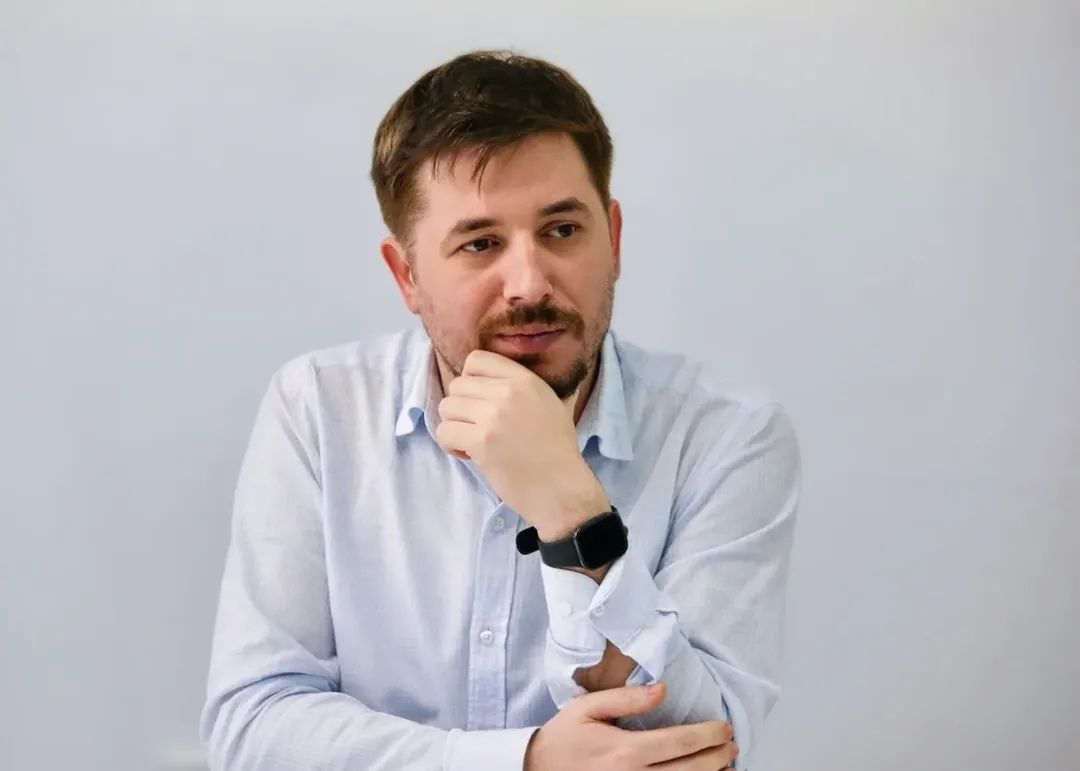
Trajçe Stojçevski from the Social Democratic Union of Macedonia (SDSM) sees coexistence as a core value of society.
"Social democracy has always stood apart from politics that divides people by ethnicity, religion, or any other identity. Our vision is a society where everyone has equal rights, equal opportunities, and equal dignity," Stojçevski says.
According to him, what's concerning is the return of a politics built on division and ethnic confrontation, instead of a focus on citizens' real problems.
"Unfortunately, today we're seeing attempts to bring back a politics of division, fear, and ethnic confrontation, instead of talking about the real problems citizens face."
Stojçevski believes the new generation shouldn't inherit and repeat old divisions.
"Our generation must not inherit the old divisions and repeat them; we need the courage to move beyond them. The country's future doesn't depend on which ethnic community wins at the ballot box, but on how we all come together to build a society where everyone feels at home," he says.
AA, "Coexistence and more space for women"
Viola Ramadani, president of the Youth Forum of the Alliance for Albanians, says young people should be the ones building bridges between communities.
"I believe young people should be the generation that builds bridges between communities and treats coexistence as an everyday value, not just a political talking point. Ethnic differences shouldn't be used to create division; they should be respected as part of our society."
She links coexistence to equality and women's participation in politics, calling for more space for young women in decision-making.
"At the same time, for a truly equal society, women, young women especially, need to be given more space to take part in politics and in decision-making," Ramadani says.
VLEN, "Politics should build bridges, not exploit differences"
Mixhait Jashari of VLEN believes the country's future should be built on what unites citizens, not on ethnic divisions.
"I believe North Macedonia's future can't be built on ethnic divisions, but on what unites us. Unfortunately, we've seen cases where ethnic issues were exploited to stoke fear, mobilize votes, and draw attention away from the real problems affecting all citizens, regardless of background," Jashari said.
Jashari says young people need to bring a new approach to politics, one that unites citizens around shared concerns: employment, education, development, and a better future.
"Politics shouldn't use differences to win votes; it should build bridges between communities. I believe our generation can make that change and prove that diversity is a strength, not an obstacle."
VMRO-DPMNE, "What unites us is stronger"
Todor Koneski of VMRO-DPMNE says North Macedonia's future should be talked about as a shared future for all its citizens, regardless of ethnic background.
"Politics shouldn't divide citizens or use ethnic issues for day-to-day political gain; it should build trust, equal opportunity, and strong institutions that serve everyone equally," Koneski says.
Koneski also links this to the departure of young people from the country, saying it's a problem that affects everyone, regardless of background.
"We all see the result: young people, both 'ours' and 'yours,' from east and west, north and south, have left Macedonia in search of a better life and more opportunities."
According to him, these are exactly the problems that should be at the center of politics.
"Today, the question that should unite us is how we create a better life, more opportunities, and a secure future for everyone, and that's our fight, and my fight," he said.
Low youth participation in decision-making
In their statements, young people from political parties converge on one shared idea: coexistence isn't built through statements alone, but through equality, communication, and equal opportunity.
In a society where ethnic issues remain part of the everyday debate, they say the new generation needs to choose bridges over walls, and shared problems over division.
Still, young people's actual influence over decision-making in the country leaves much to be desired. They're often used for political campaigns, but when it comes time to divide up the spoils (the actual positions), they're frequently left empty-handed.
Young people remain a vulnerable group with minimal involvement in decision-making, both at the central and local level.
The youth law is stalling in practice
An analysis by the National Youth Council found that the Law on Youth Participation and Youth Policy has stalled in practice.
The research shows that municipalities, despite having missed the deadlines set by law, aren't particularly interested in offering young people the services and spaces where they could gather and make decisions about their own needs, whether in culture, education, or socializing.
"The failure to implement the Law on Youth Participation and Youth Policy, especially at the local self-government level, and the fact that every legal deadline has been missed, are directly reflected in the lack of spaces where young people from different communities can come together and build bridges of communication," said political scientist Naim Iljazi.
The Law on Youth Participation and Youth Policy was passed in January 2020 by the Assembly of North Macedonia, the first piece of legislation to guarantee and formally recognize youth participation.
Read these too: