In Tetovo, where spaces for young people are scarce and where diversity, whether ethnic, gender-based or social, often remains nothing more than a word on paper, a community has spent years trying to turn it into everyday practice.
Social Cultural Space Tetova, known simply as Space, started as a simple idea: a place where young people could gather without being required to buy anything. Over the years it became much more than that. Today it is a community where girls and boys, from different backgrounds and identities, meet as equals, work together, discuss, create projects, and form friendships that, outside this space, might never have happened at all.
It all started with one question: where do we gather?
The idea for Space was born in 2016, out of a simple need felt by young people in Tetovo. They wanted a free and accessible place where they could gather, organize, create, or simply spend time together, regardless of anyone's background.
The city had cafés and bars, but very few other alternatives. There were no independent cultural spaces, no cinema, no parks, no places where young people themselves could launch activities, and even fewer places where girls and boys felt equally free to participate and to decide.
A visit to Termokiss in Pristina, along with a meeting with the Belgian collective Toestand that same year, gave the founders a different idea. They saw that an abandoned building isn't necessarily a dead space. It can become a place where community is built.
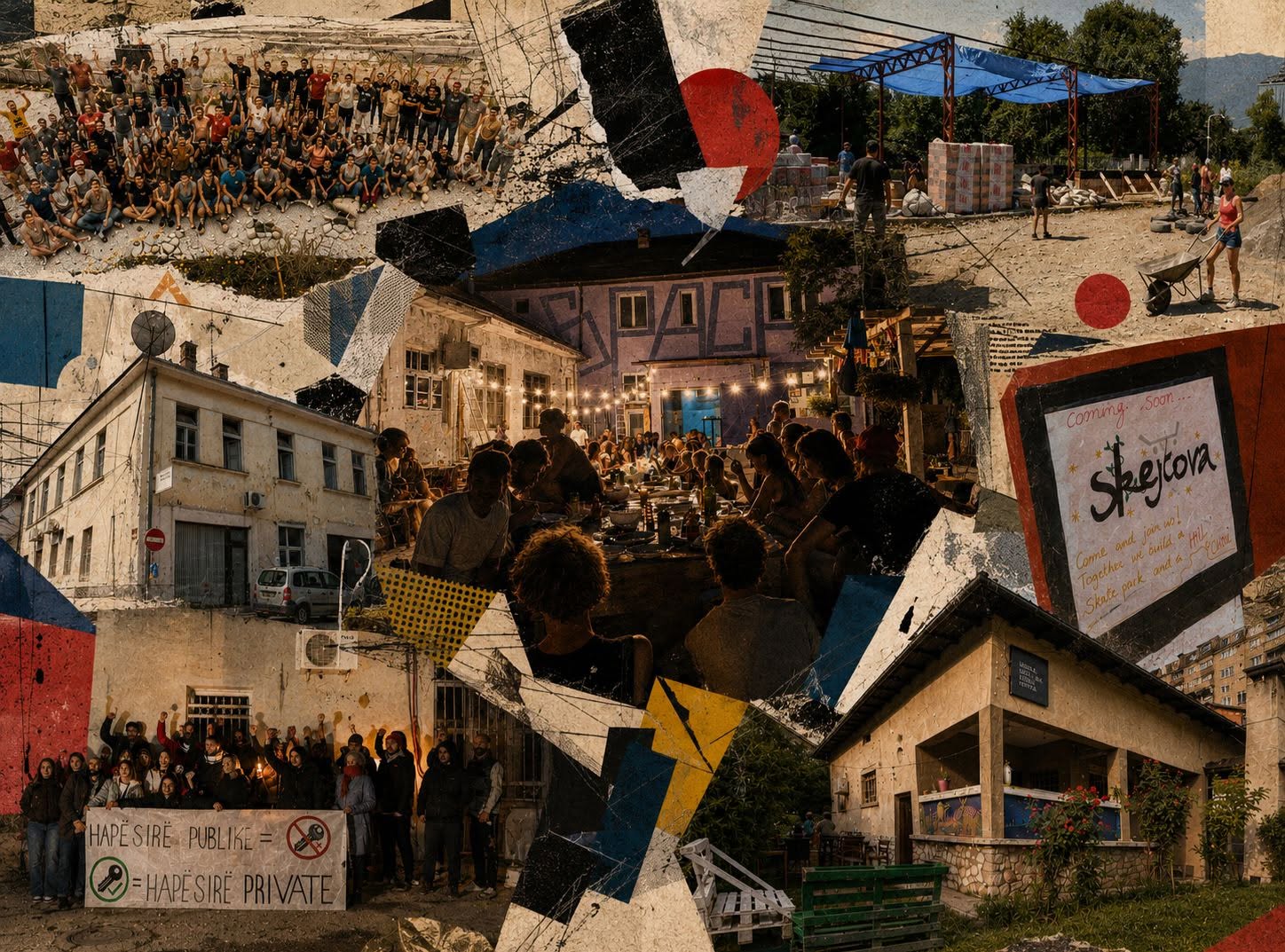
Discussions about finding a space in Tetovo began in 2017. The goal was to create a community that would function horizontally, inclusively and independently. A year later, the former Radio Tetovo building was revitalized, while Skatova, the city's first skatepark, was created alongside it. In August 2018, the Space community was officially formed.
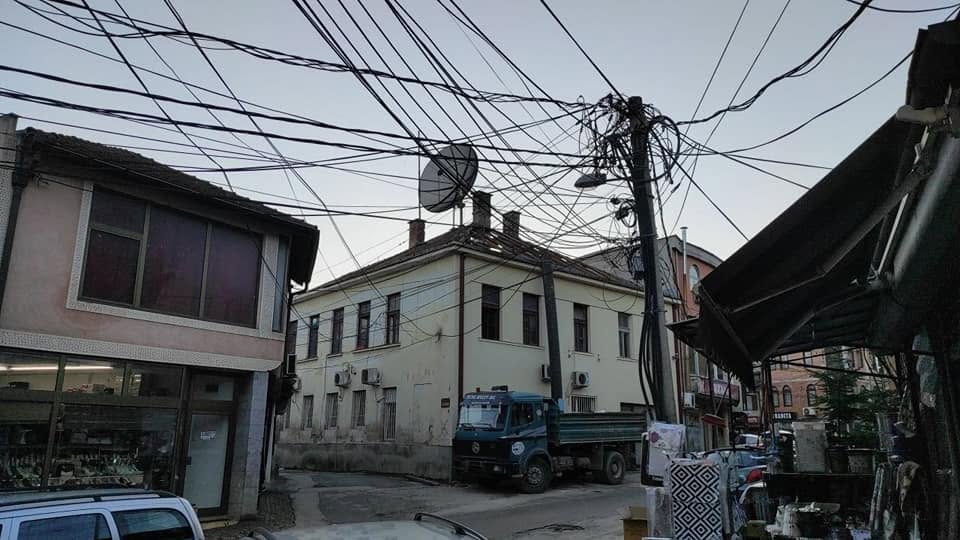
From a small group, Space gradually grew into a wider community. Between 2019 and 2022, through volunteer work, it hosted cultural, educational and community activities, with girls and women taking part just as much as boys.
But the story of Space is also a story of loss and rebuilding.
In 2022, after four years in the former Radio Tetovo building, the community was forced to leave the space. The Tetovo municipality, through the current minister of culture, had the lock on the building changed overnight. The mayor went even further, accusing the space of hosting "pornographic activities," accusations that were never proven, not even in court. The volunteers found themselves locked out, and that was how the four-year run in that building came to an end.
A year later, Space 2.0 was born. More than 200 activities were held in the new space.
In 2025, the community once again faced the loss of its space. It was announced that the building would be demolished to make way for a new one.
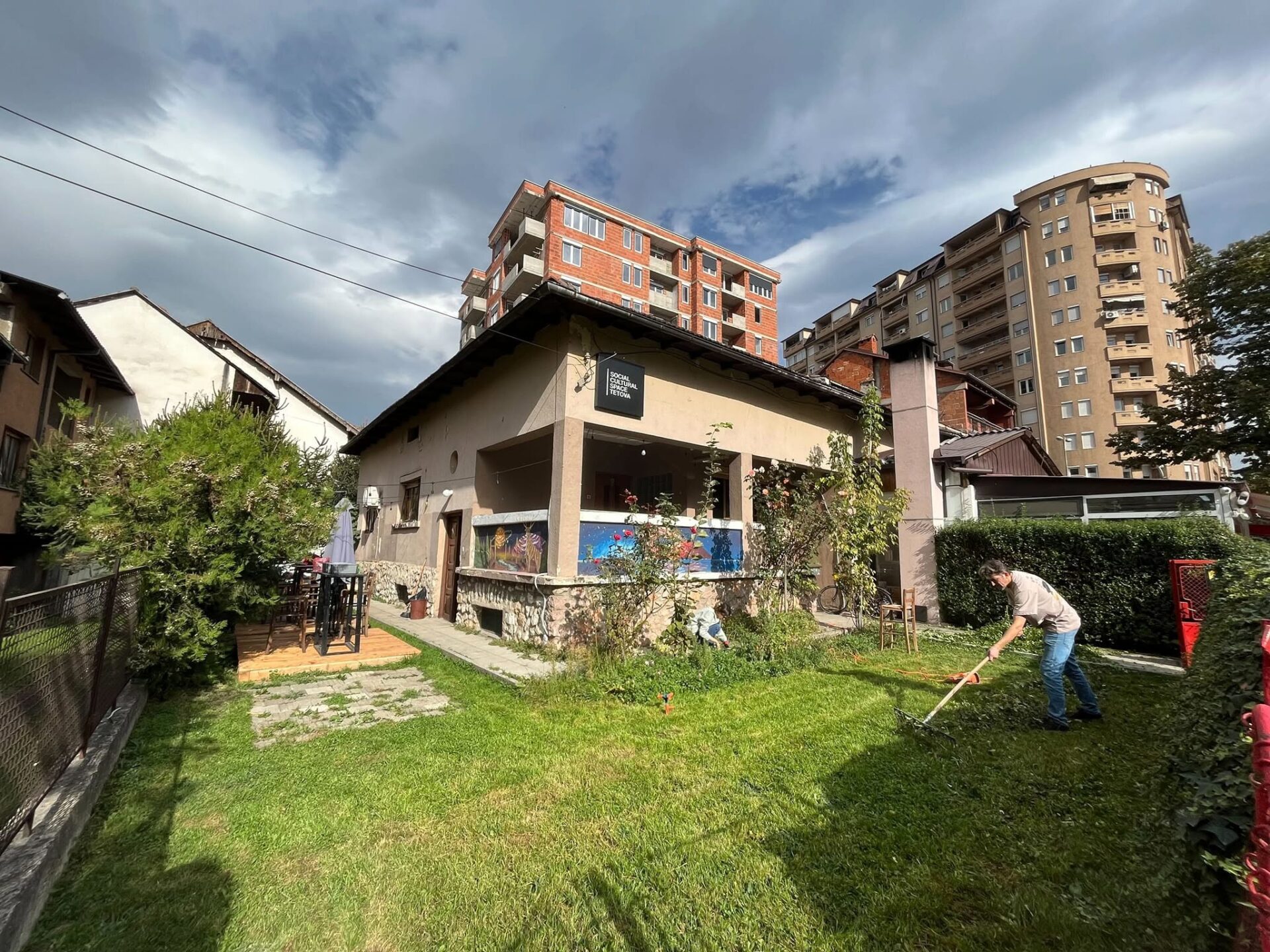
But this time, too, Space didn't come to an end. With support from the network it had built over the years, the community found another abandoned building and created Space 3.0, where it continues to operate today.
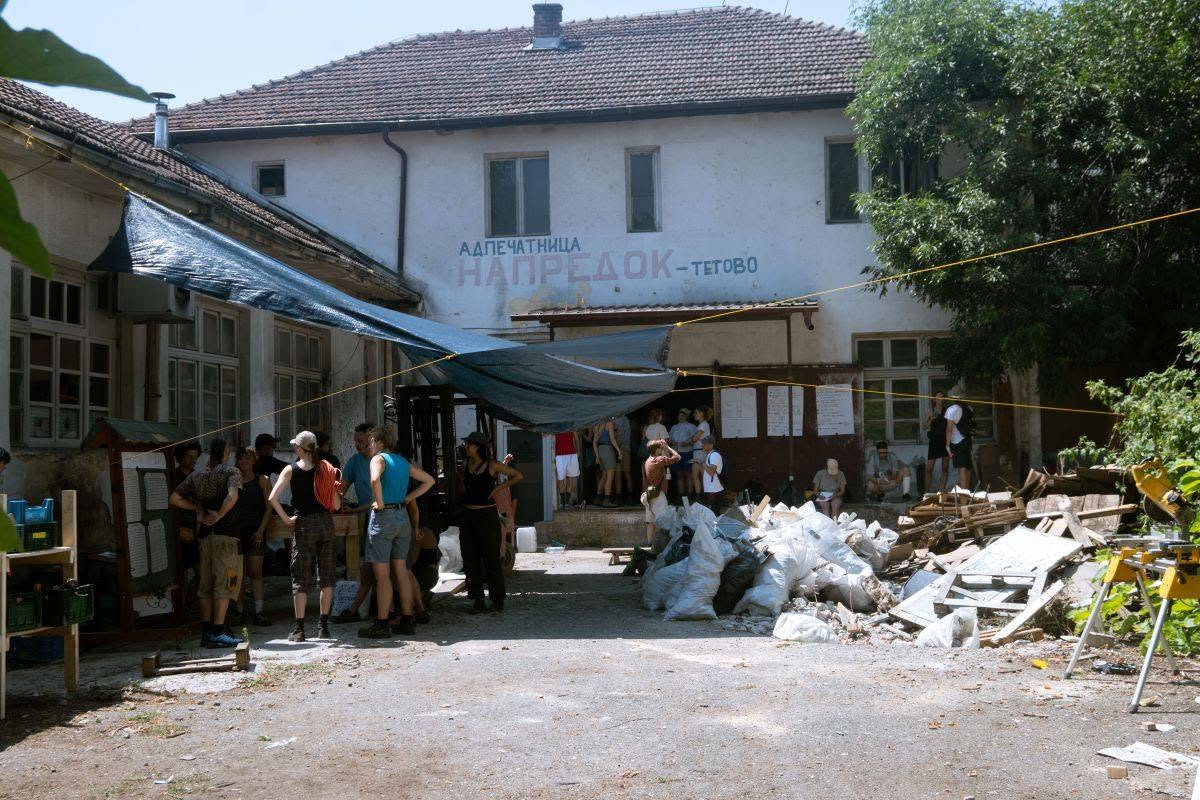
Not just a space, but a way of living together
From the start, the goal wasn't simply to find a building, but to create a place where young people could think freely, listen to one another, organize their own activities, experiment, and learn from each other.
Over the years, Space also built a culture of its own, one where you accept someone who isn't like you, listen to different opinions, help others, and learn how to function together.
Today, for the community, that is also what a public space means to them. Not just a building that belongs to the public, but a space where people themselves have the autonomy to decide what happens there.
"For us, public space also means the autonomy of the people who use it," say those from Space Tetova.
A film, a concert, a garden, or just a conversation
There's no typical day at Space. It often starts with the most ordinary things: opening the space, checking the lights and water, watering the plants and the community garden, cleaning, collecting the trash, or leaving out food and water for the animals nearby.
Then, within that same space, there might be a workshop, a film screening, a radio show, a concert or a discussion. Or none of that at all. Sometimes it's just people who came to be together.
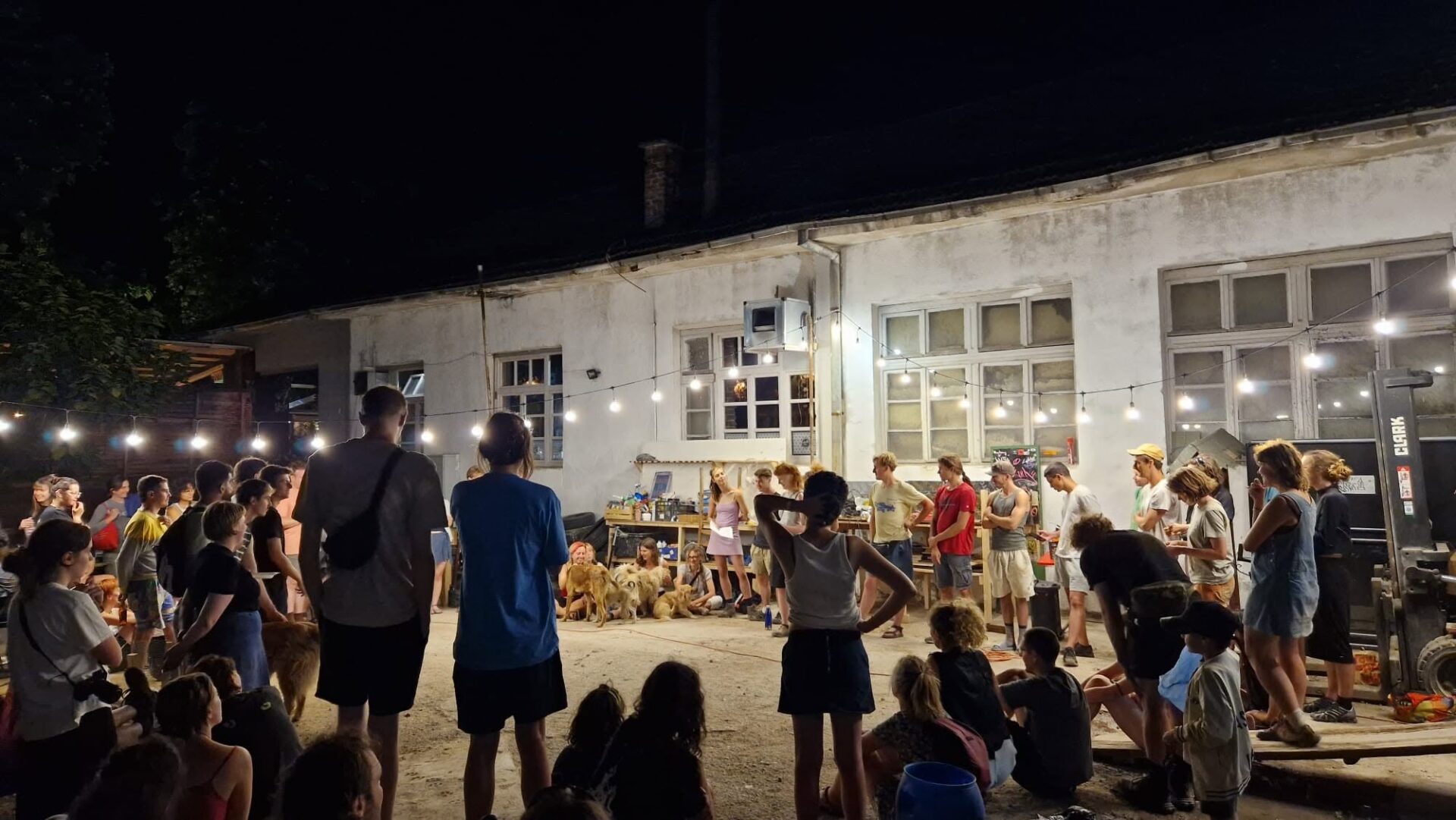
What brings young people together, according to the community, is curiosity, the desire to meet new people, and the wish to do something different from what the city usually offers.
Someone often shows up for one activity and ends up getting pulled into something else entirely. It's in those ordinary moments that connections form.
Here, ethnicity doesn't disappear, but it's no longer the starting point. Tetovo remains a city of divisions, some visible, some not. Ethnic identity is part of everyday reality and, as Space puts it, doesn't vanish the moment someone walks through the door.
But something else happens there. People get the chance to first get to know each other as individuals, through what they do together.
One example is a group of fifteen-year-old girls who, at Space, call each other by both Albanian and Macedonian names, while speaking English among themselves.
"For them, being together isn't some 'interethnic dialogue' that needs to be organized. It's simply friendship."
Perhaps that's one of the most powerful images of coexistence, the kind that doesn't need to be called coexistence at all.
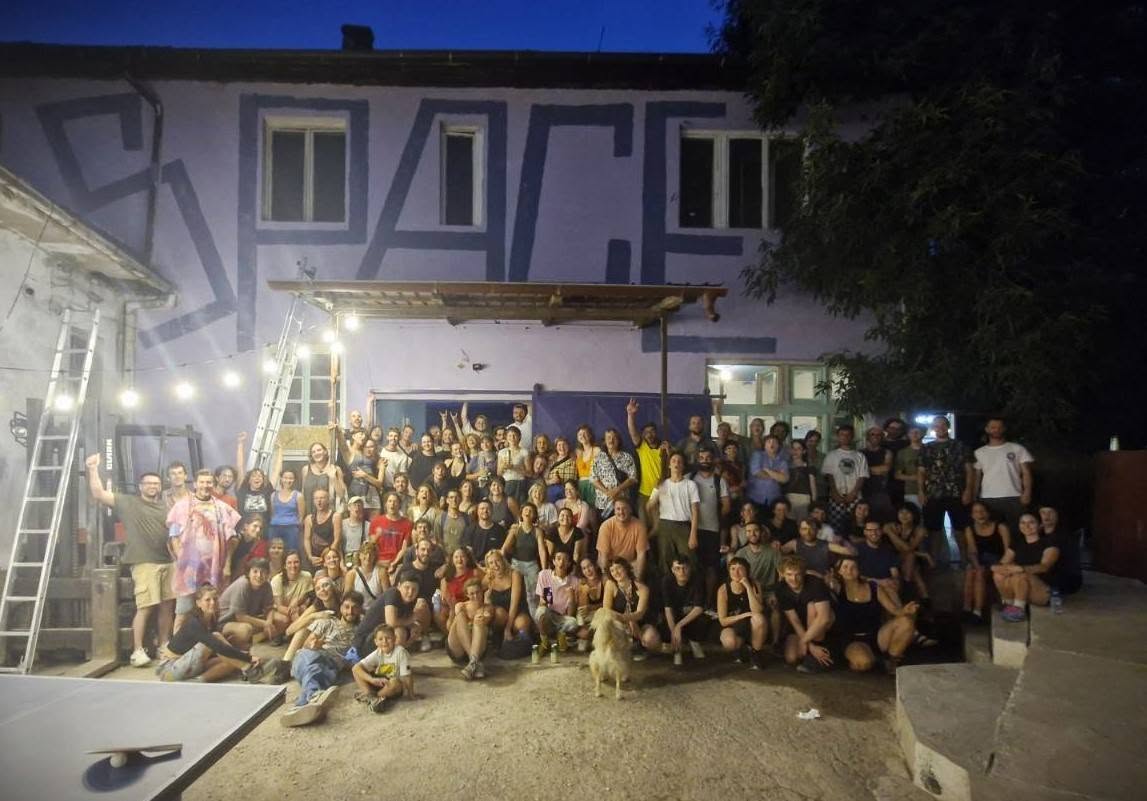
Still, Space doesn't claim to have solved everything. The Roma community, for instance, has been less involved in the everyday life of the space, even though activities and partnerships have been carried out with organizations working with Roma communities.
"An open space doesn't automatically become inclusive just because its doors are open," those from Space admit.
That self-criticism is itself part of the idea of openness. The point isn't to claim that prejudice has disappeared, but to create opportunities for people to get to know one another beyond it.
Space's openness isn't only about ethnicity. The idea is that girls and boys should have equal space to take part, to propose, to organize and to create.
Friendship isn't organized, it just happens
"There have been cases where people from different communities and backgrounds got to know each other through activities, started working together as volunteers, and later became friends outside of Space, too," say those from Space.
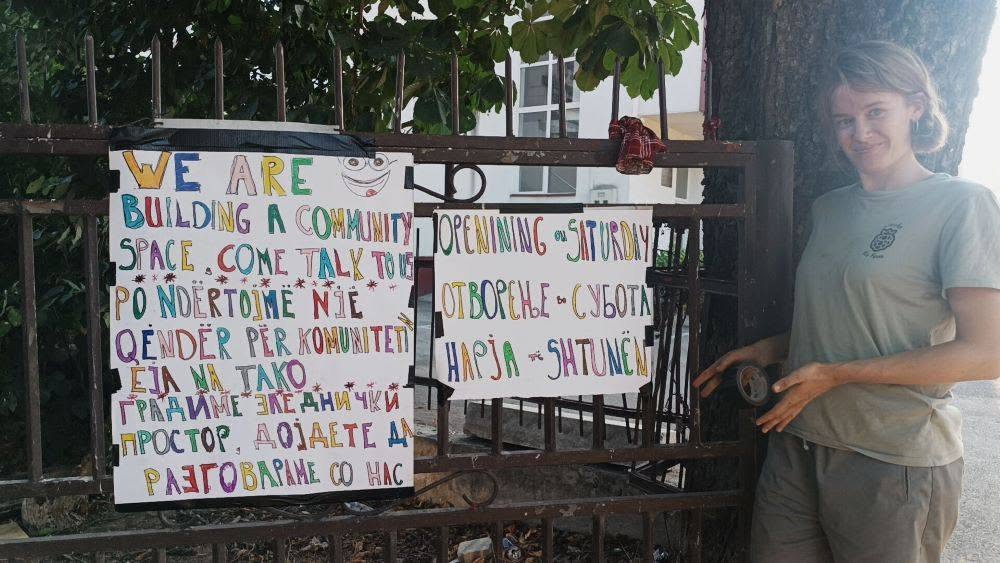
Sometimes it all starts with organizing an event. Other times with painting a wall, fixing something in the building, or simply spending a few hours together.
"In many cases, friendship didn't come as the result of some activity designed to 'bring communities closer,' but simply as the result of doing something together."
People at Space stress that people don't always need a project to tell them they should grow closer. Sometimes all they need is a place where they can do that.
What are young people missing?
Space's answer is straightforward: spaces. Not just physical space, but spaces that are free, safe, independent and accessible.
"Places that aren't home, school or work, but where you can be without being forced to buy something. Places where you can meet people outside your own circle and create something on your own."
In Tetovo, they say, these kinds of spaces are extremely limited.
That's why it isn't enough to organize "activities for young people." Young people need to be given spaces where they themselves decide what they want to do.
It's precisely in these informal spaces that relationships can form across ethnic divides, because people start getting to know each other through shared interests and experiences, not just through the identities they've been assigned.
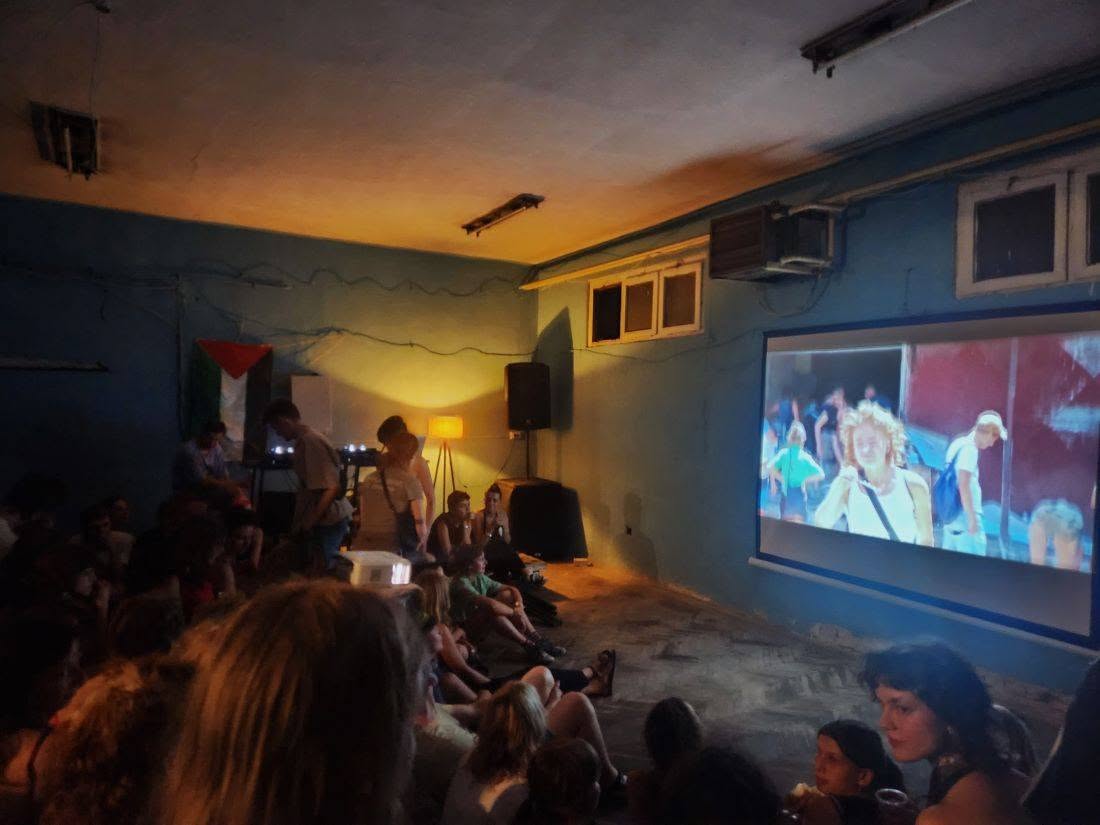
Three spaces, one community
Space Tetova has changed its address three times, but never its purpose. From the former Radio Tetovo, through Space 2.0, to Space 3.0, the buildings have changed, but the community hasn't stopped.
That, they say, is exactly why they have reason for optimism. Not because the problems have disappeared, but because they've seen up close what happens when people get the chance to meet.
"Space taught us that divisions that seem enormous on a political or social level can become far more manageable when people have the chance to meet and do something together."
Space's activists say the space has also taught them that coexistence can't be left to people's goodwill alone. There need to be spaces, opportunities and conditions for these relationships to be able to form, they say.
In a city where young people still have few places to simply be young, Space continues to show that coexistence isn't built through statements, debates, or carefully planned projects alone.