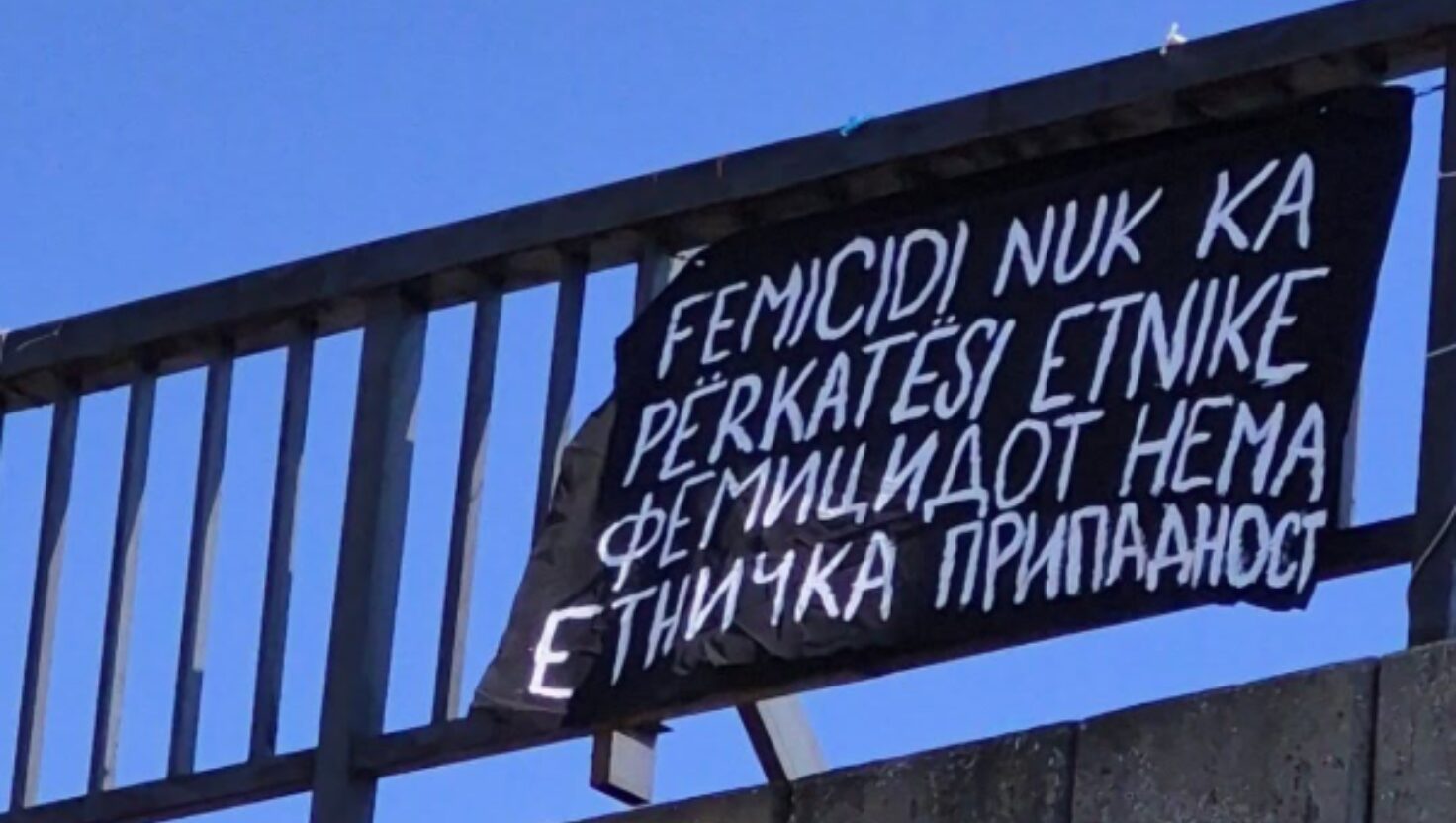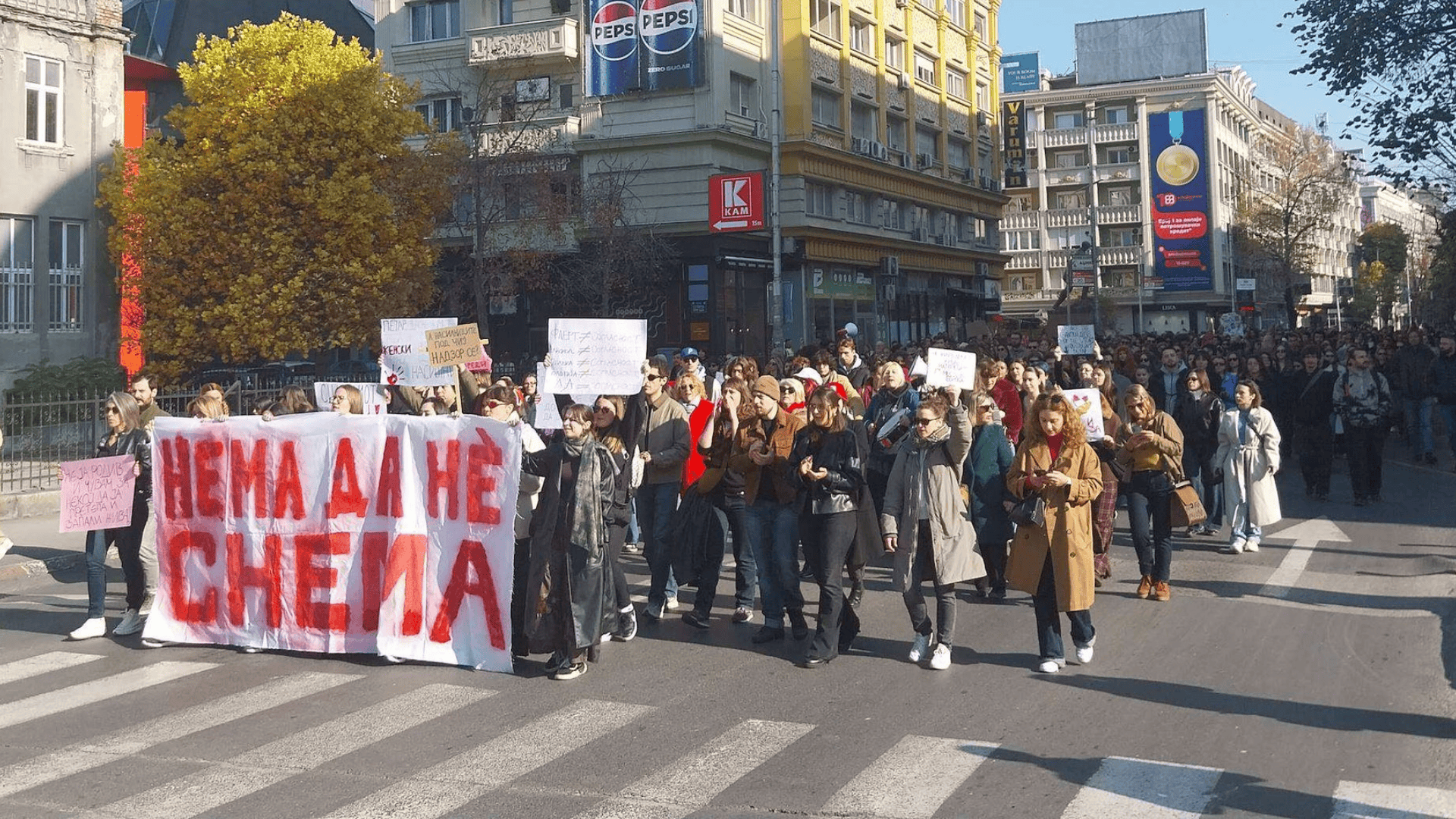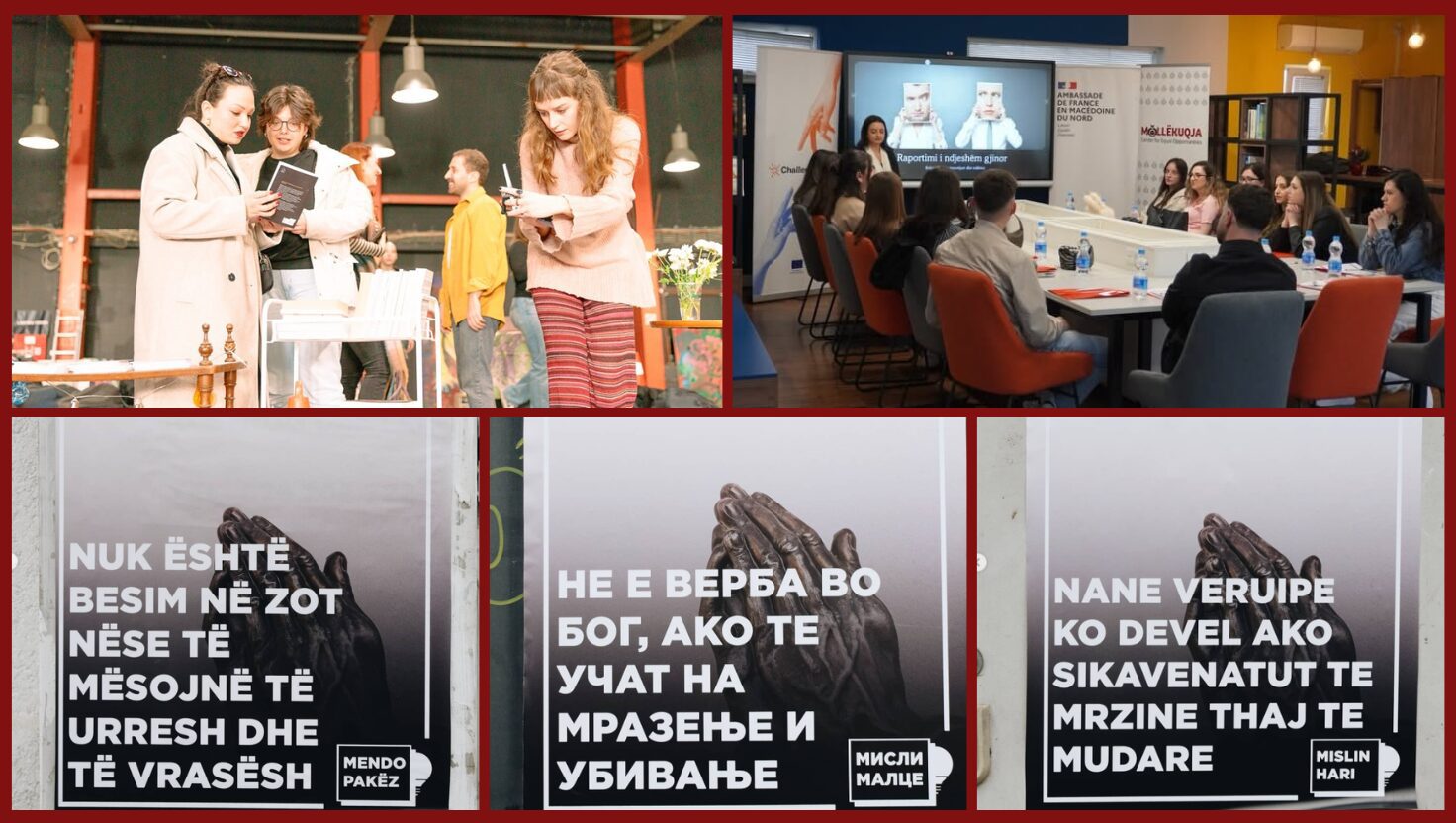
Thousands of books by women authors and feminist literature have been donated to readers in several cities across the country. Messages against sexual harassment and patriarchy are being shared at the same time in Albanian, Macedonian and Romani. Behind these initiatives are young people who do not see gender inequality, violence and poverty as the problem of one ethnic community, but as common issues that they need to fight for together.
From gender equality and feminism to violence, the environment, hate speech and human rights, young activists are creating initiatives that reach people in more than one language. They do not see Albanian and Macedonian as borders between communities, but as tools for bringing them closer. In Skopje, Tetovo and other towns, they are building spaces where young people can meet, talk and act together.
From books to feminist solidarity
One example is the Stella Network, which has for years promoted women’s literary work and access to feminist literature through its initiative “Share an Author.” The initiative has donated thousands of books in several cities across the country.
As Sara Milenkovska, an activist and co-founder of the Stella Network, explains, solidarity does not mean pretending that we all share the same experiences. It means recognizing the different positions we come from and understanding that no emancipatory struggle can stay within the borders of one’s own ethnic or linguistic community.
“I wouldn’t say that young people are, by definition, free from ethnic divisions. They too grow up in a society that keeps reproducing them. But through our work, we see great potential for these divisions not to be accepted as something natural and predetermined,” says Sara.
She adds that when young people come together around issues that affect them directly, such as gender inequality, violence, poverty, education, decent work or the freedom to be who they are, it becomes much harder for them to see one another only through ethnic categories.
“That is why I do not see such initiatives only as positive stories about coexistence, but as an attempt to practically build an infrastructure of solidarity where institutions and the market leave gaps,” said Milenkovska.
Activism in several languages
In Tetovo, another example of youth activism is the initiative “Think a Little” by activist Elena Saveska. Her public messages deal with sexual harassment, patriarchy, nationalism, fascism, pollution and violence, and are shared in Albanian, Macedonian and Romani.
For Saveska, language should not be used to stress differences, but to make understanding and communication possible.
“I see the role of young people, especially when it comes to overcoming ethnic barriers and bringing communities closer, through a phrase that has turned into a cliché: ‘Young people are the future.’ Young people really are the future and should be treated as such. I believe this phrase became a cliché precisely because of the power young people have to bring change and to change the present, and with it the future, even though they are not politically represented and do not have the chance to do so. Part of that power is bringing communities closer and overcoming the barriers of the past, regardless of the basis on which they were created. We have the same problems, and the problems that affect all of us can only be solved together,” says Elena.
She believes that multilingual initiatives give people a chance to step out of their own circle and meet different perspectives. According to Saveska, at a time when hatred, nationalism, xenophobia and homophobia are growing, activism that connects people is needed more than ever.
“Today these initiatives, especially the ones for peace, are needed more than ever. Precisely because of all the waves of hatred, fascism, nationalism, xenophobia, homophobia… and, of course, because it is not normal and not natural to hate,” says Saveska.
Why this activism does not come easy
The European Commission’s latest report on North Macedonia shows that the ground is not easy. The interethnic situation is described as generally stable, but debates over language remain heated, as the petition by law students who wanted to take their jurisprudence exam in Albanian showed.
For women and activists, online hate speech is the biggest concern. The report notes that incidents reported in 2025 were based most often, among other things, on ethnicity, while the authorities still do not collect data systematically and cases are documented by civil society organizations. It also warns that anti-gender narratives are shaping public debate and that women human rights defenders face threats and hate speech online.
Institutional space is shrinking for young people too. In 2025, the number of municipalities with a local youth council fell from 28 to 24 out of 81, and youth centers or offices exist in only 13 municipalities. Youth unemployment remains at around 25 percent, and the new law on youth work is still pending. Civil society organizations are also struggling to stay afloat, because public support is limited and foreign donations have become uncertain.
Young people as a force for change
From books and feminism to public messages and the fight against hate speech, these initiatives have one thing in common: they refuse to accept division as something natural. They start from the idea that a shared problem calls for a shared response.
This logic is also at the heart of the work of the portal Mollëkuqja.mk, which is the only portal writing about gender issues in three languages in North Macedonia, in Albanian, Macedonian and English, and which, through journalism, activism and education, aims to bring the topics of gender equality and human rights closer to different communities.
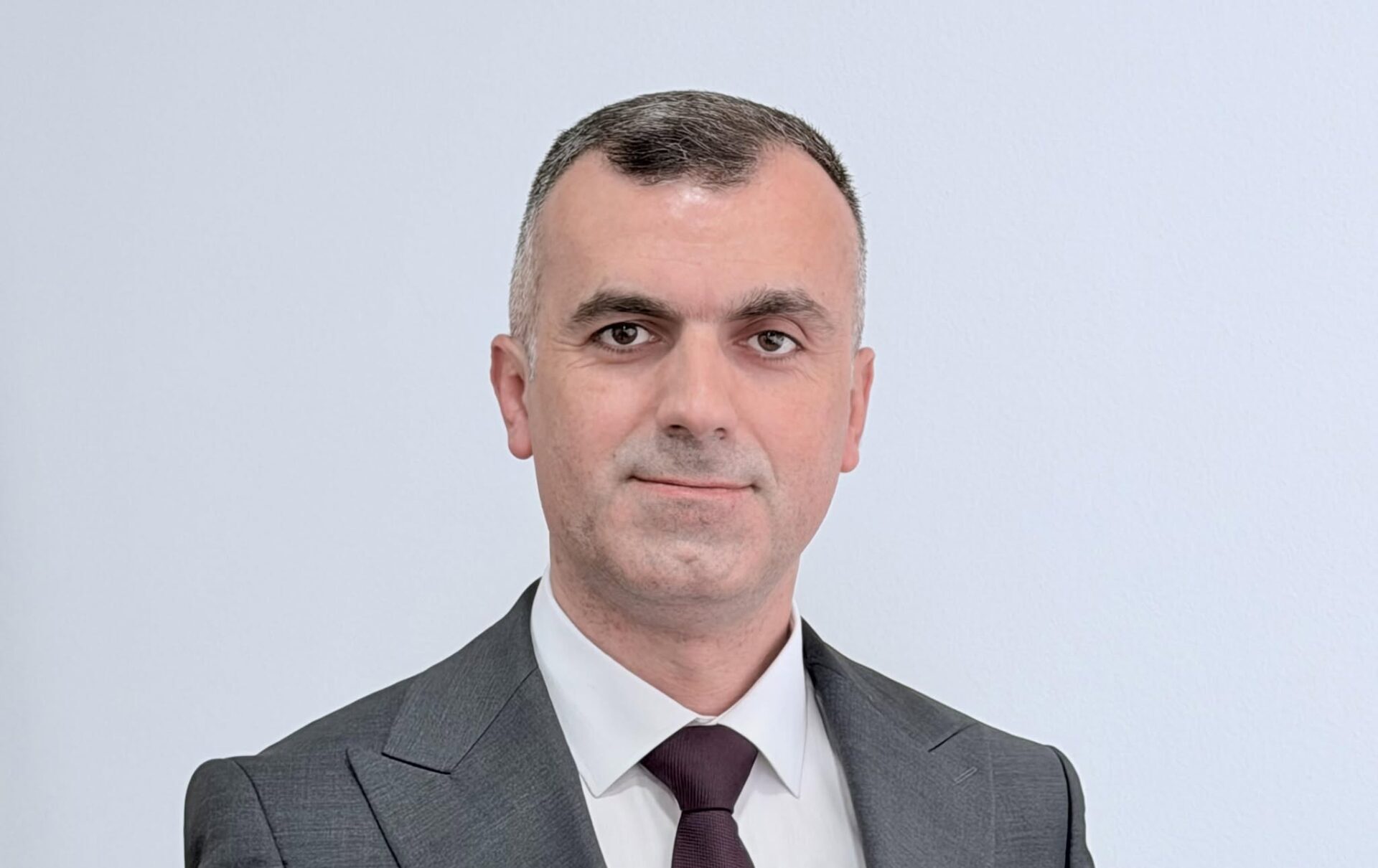
“When a problem affects everyone, it makes no sense for the solution to be divided by ethnicity or language. That is exactly why Mollëkuqja works in three languages: so that a topic does not stay within one community, but becomes part of shared conversations. Young people’s activism has value precisely when it manages to build bridges where politics, institutions or prejudice have built walls. If we want a more equal society, we have to learn to fight together for the problems that affect all of us,” says Mollëkuqja.mk editor in chief Ardit Ramadani.
Recently, the Center for Contemporary Arts in Skopje, through the Association for the Advancement of Journalistic Practices “Innovative Media,” has carried out a series of creative and artistic actions against hate speech. Activists, artists and civic organizations have taken this problem out of the virtual space and made it visible on the street. Through installations, messages and interventions, citizens have been asked to think about the consequences of the words they use and about how hate speech can turn into discrimination and violence.