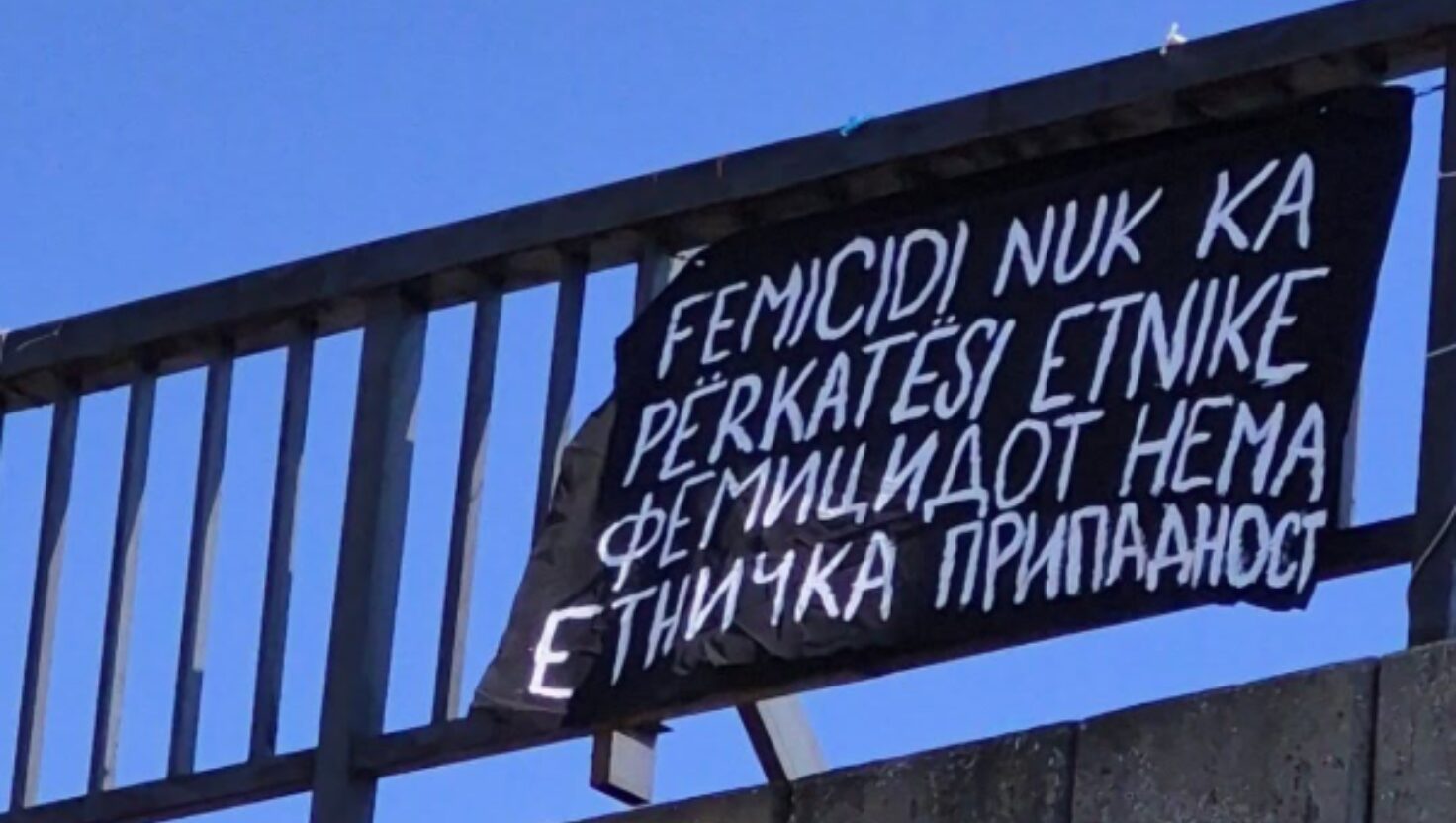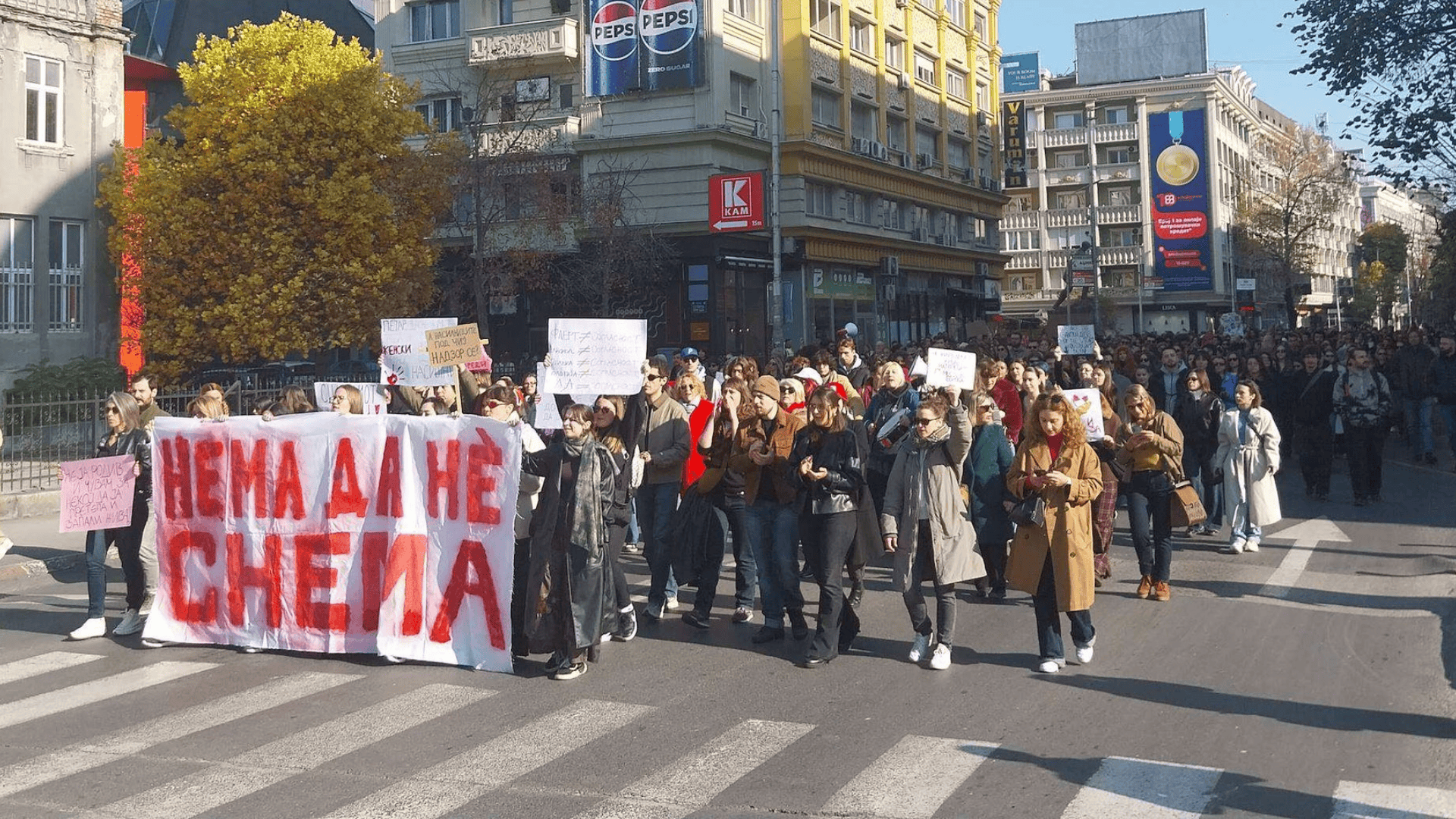
In North Macedonia, equality between communities is guaranteed by law, but in practice some citizens still face discrimination because of their ethnicity, especially in employment.
According to Ombudsman Faton Selami, around 20 percent of the complaints the institution receives each year in the area of discrimination and fair representation relate to origin, or to national or ethnic background. Most of them come from employment, where the most frequent complaints are directed at superiors and institutional management.
The European Commission’s latest report on North Macedonia paints the same picture. According to it, in 2025 the Commission for the Prevention and Protection against Discrimination looked into 559 cases, with most complaints based on national or ethnic origin, and more than half of the discrimination related to work and employment. The report also notes that the Ombudsman and the Commission continue to lack financial and human resources, which limits their ability to fully exercise their legal mandate.
The problem also appears even where a complaint does receive a response. The Ombudsman can issue guidance, recommendations and opinions, but has no authority to force institutions to follow them.
To understand where ethnic discrimination is most often found, how far the Ombudsman’s recommendations are respected and what needs to change so that equality does not remain only a legal principle, Mollëkuqja spoke with the Ombudsman, Faton Selami.
Of the complaints you receive, what are the most frequent problems related to ethnicity?
Around 20% of the complaints received annually by the Ombudsman, in the Section for Protection against Discrimination and Adequate and Equitable Representation, concern discrimination based on origin, or on national or ethnic background (Article 5), in all the areas defined by law, which are covered in Article 3 of the Law on Prevention and Protection against Discrimination.
The largest number of these complaints concern discrimination in the field of employment relations. The most frequent complaints concern discrimination by superiors, that is, by the management of the institutions and bodies over which the Ombudsman has legal authority to act, people who, by using their position and power, take certain discriminatory actions.
It should be stressed that, when discrimination on this ground is alleged, citizens also point to other grounds, such as religion or religious belief, language, political belief and so on. Usually, in this type of complaint, discrimination is also often linked to harassment in the workplace, that is, mobbing, actions that are an integral part of discrimination.
When the Ombudsman finds discrimination by an institution, how often do institutions follow your recommendations, and what happens when they do not?
In cases of established discrimination, the Ombudsman, in accordance with Article 32 of the Law on the Ombudsman, addresses the perpetrator of the discrimination with appropriate guidance, a recommendation or an opinion on how to remove the violations committed, so that the injured party would be given equal treatment with other people at the employer where they suffered discrimination on a given ground. That is, guidance and measures are given that would remove all violations committed, so that the complainant could exercise their rights set out in the Constitution and the law.
We can say that in most procedures the perpetrator of the discrimination acts on the guidance given by the Ombudsman, and the violation is removed. However, in a certain number of cases, perpetrators of discrimination, for reasons known only to them, continue with actions that violate the rights of the complainant and do not follow the written guidance given by the Ombudsman.
In this case, Article 25 of the Law on the Ombudsman applies, which provides that when the Ombudsman’s guidance is not followed, the immediately superior body is notified, and in certain cases these violations are also presented in the Ombudsman’s Annual Report.
In a certain number of cases, and this is something the Ombudsman rarely does, the wider public can also be informed through the media when the Ombudsman’s guidance, recommendations or opinions are not acted on.
Do you have cases in which institutions have failed to ensure equal treatment for citizens from different communities? Where do these problems appear most often?
Within the scope of our work, we have conducted procedures on complaints in which, in one municipality, discrimination on political grounds was committed in the area of employment relations. The newly elected authorities and the new mayor of the municipality did not respect the Ombudsman’s guidance, which would have ended the discriminatory actions against a larger group of people employed by the local government.
In this particular case, the people who suffered harmful consequences from the unequal treatment initiated court proceedings before the court with territorial jurisdiction, as a result of which, by law, our ability to act further in this case ended.
Are the current institutional mechanisms strong enough to prevent ethnic discrimination, or can the Ombudsman often only recommend, without any real ability to force institutions to act?
Under the existing legal powers set out in the Constitution of the Republic of North Macedonia and the Law on the Ombudsman, there is no way for institutions and bodies, that is, the perpetrators of discrimination, to be forced to follow the guidance given by the Ombudsman, since our constitutional and legal position is not that of an inspection or judicial body, but of an institution for the realization of human rights and freedoms. It relies on the power of its word, its competence, and lawful and professional action to influence the competent bodies to act on the guidance, recommendations or opinions given. This is how certain violations of the rights of citizens who have filed a complaint, or of a larger group of people, for whom the Ombudsman has opened a case on its own initiative, would be removed.
What exactly needs to change in institutions, laws, oversight, accountability or sanctions so that equality between communities does not remain only on paper?
From our practice so far, it can be said that we have solid legislation that provides equal rights for all the communities named in the Preamble of the Constitution of the Republic of North Macedonia, but of course the problem of implementation remains.
The Ombudsman’s answers paint a clear picture: the law exists, but implementation depends on the will of institutions, while the institution that monitors implementation has no means to compel them. The European Commission’s report points to the same gap and recommends that the authorities appoint the eight deputy ombudsmen and give the Ombudsman and the Commission for the Prevention and Protection against Discrimination enough financial and human resources to work independently and effectively.