Breast cancer doesn't end with the diagnosis, the surgery, or the treatment. For many women, it marks the beginning of a difficult period, one in which they have to deal not only with the illness itself, but also with changes to their body, the fear of it coming back, the aftereffects of treatment, and uncertainty about the future.
Yet these experiences often stay in the shadows, especially during Pink October, when attention is focused on awareness, preventive checkups, and early detection.
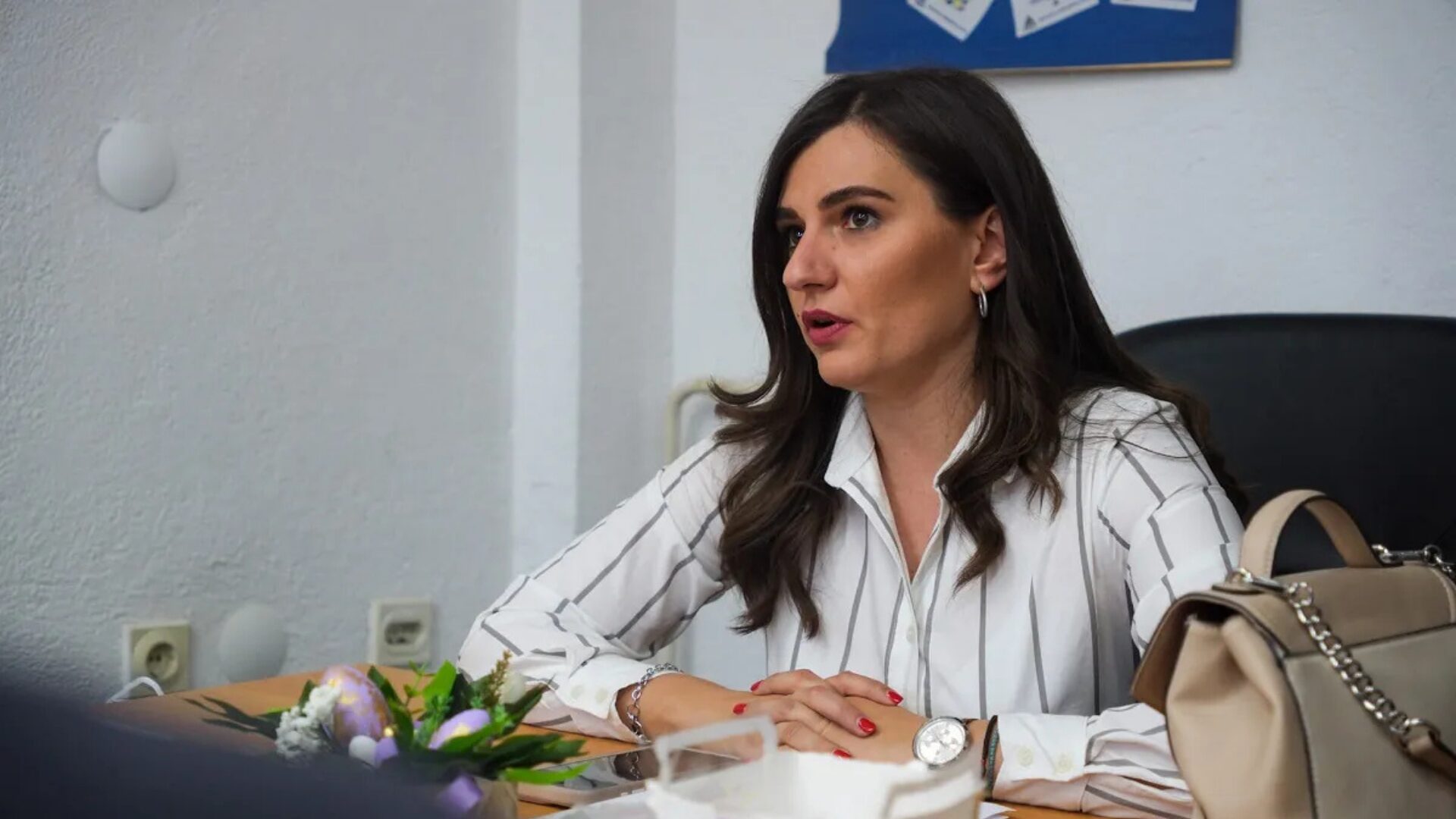
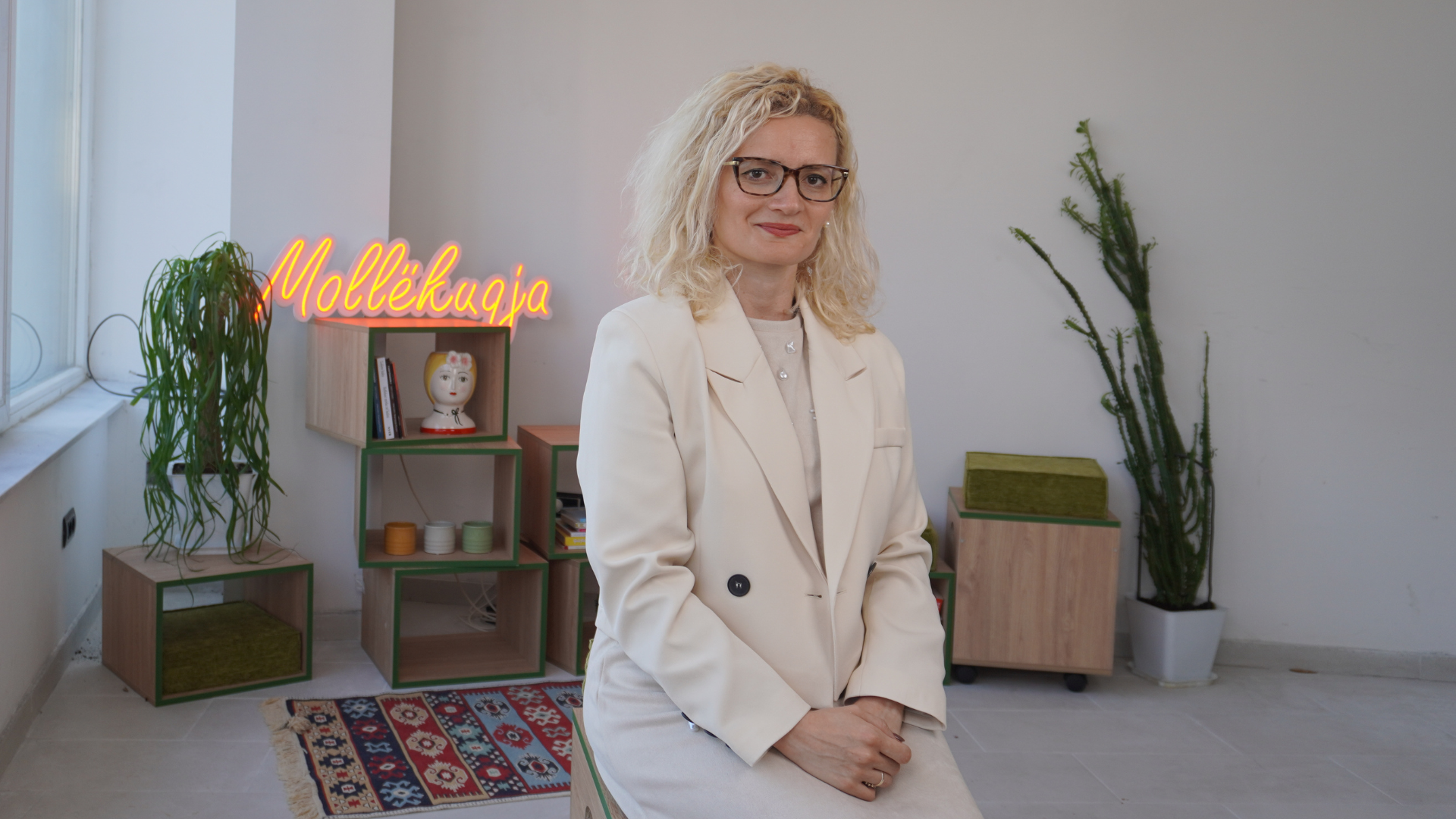
In an interview for Mollëkuqja.mkoncologist Vjollca Skenderi Neziri spoke about these less discussed aspects of living with breast cancer: a woman's relationship with her body after surgery, emotional health, fertility, and the possibility of motherhood after treatment.
She points out that, alongside medical treatment, women also need emotional support, something that, as she explains, the oncology department in the country currently lacks, since there's no psychologist on staff whose job is specifically to deal with this part of the experience of illness.
Why does it seem that even when we talk about breast cancer, we keep talking mostly about the "breast" and a woman's appearance, and much less about the woman herself? Do you see this in medicine as well?
In clinical medicine, which oncology is part of, the focus is on the illness itself, in this case breast cancer, the best treatment methods, the treatment options, what to expect from treatment, and so on. Dealing with a woman's emotional side is the job of psychology. And right now in our country, unfortunately, there's no psychologist on staff in the oncology department who would handle a woman's emotional side, so we oncologists end up playing that role too. That's probably why it looks like the emotional side gets overlooked.
After breast surgery, what happens to a woman's relationship with her own body? Is this something doctors see in their patients, but that rarely gets talked about openly?
Losing a breast, or part of one, is a shocking moment for a woman, because in a way it feels to her as though she's lost her femininity. This has become somewhat easier these days since reconstructive surgery is an option, but what still matters a great deal is the woman coming to terms with the illness, and really, coming to terms with her body missing a part of it. Here too, emotional preparation matters most.
How much pressure do women feel to get their body "back" to how it was before cancer? Does this pressure come from the women themselves, their partners, their family, or also from how society views the female body?
I can't say exactly how much pressure women feel. It's an individual matter, depending on their circle, family, or society.
Is there enough conversation with patients about fertility and the chance to become a mother after treatment? Especially when it comes to very young women?
Yes, usually from the moment young women are diagnosed with cancer, we discuss fertility and the possible options with them.
What happens when a woman wants to have a child after breast cancer? Does she have to choose between treatment and her plans for motherhood, or can medicine offer alternatives today?
No, a woman usually doesn't find herself facing that kind of crossroads, especially if she consults her oncologist from the very beginning. The best option is preserving, or freezing, the egg cells before treatment starts. The other way is after treatment, if everything has gone well, planning the pregnancy then.
What part of life with breast cancer does medicine talk about the least, but that you see every day in your practice?
I think it's the emotional side, the fear of the cancer coming back, the aftereffects of treatment, the body growing weaker, early menopause, and so on.
In North Macedonia, a thousand patients were diagnosed with breast cancer last year, while seven thousand oncology patients are currently in active treatment at the Clinic for Radiotherapy and Oncology in Skopje. Behind the numbers and the Pink October campaigns lie problems that have gone unresolved for years: hours-long waits for therapy, staff shortages, services concentrated in Skopje, and a screening program that only reaches a small fraction of women.
This publication was produced within the framework of the project Queer and Present: Media, Rights and Safety for LGBTIQ+ persons in Pollog, which is implemented as part of the broader regional project Together for LGBTQI+ Equality, implemented by the Centre for Civic Education (CCE) in partnership with ERA – LGBTI Equal Rights Association for the Western Balkans and Turkey, Queer Montenegro, Queer Center Skopje, Tuzla Open Center, Open Mind Spectrum Albania (OMSA), and the Center for Social Group Development from Kosovo. The programme is funded by the European Union.