Coexistence between communities isn't built simply through political statements or kind words on solemn occasions, but through real opportunities, ongoing inclusion, and the space for every community, and within it women in particular, to feel like a full part of society, not just present in it.
For the Roma community, and especially for Roma women and girls who often face a double burden of discrimination, this means something very concrete: more access to education, more opportunities for participation and political representation, genuine involvement of young people in decision-making, and above all, breaking down the prejudices and stereotypes that, despite the passage of time, remain deeply rooted in society.
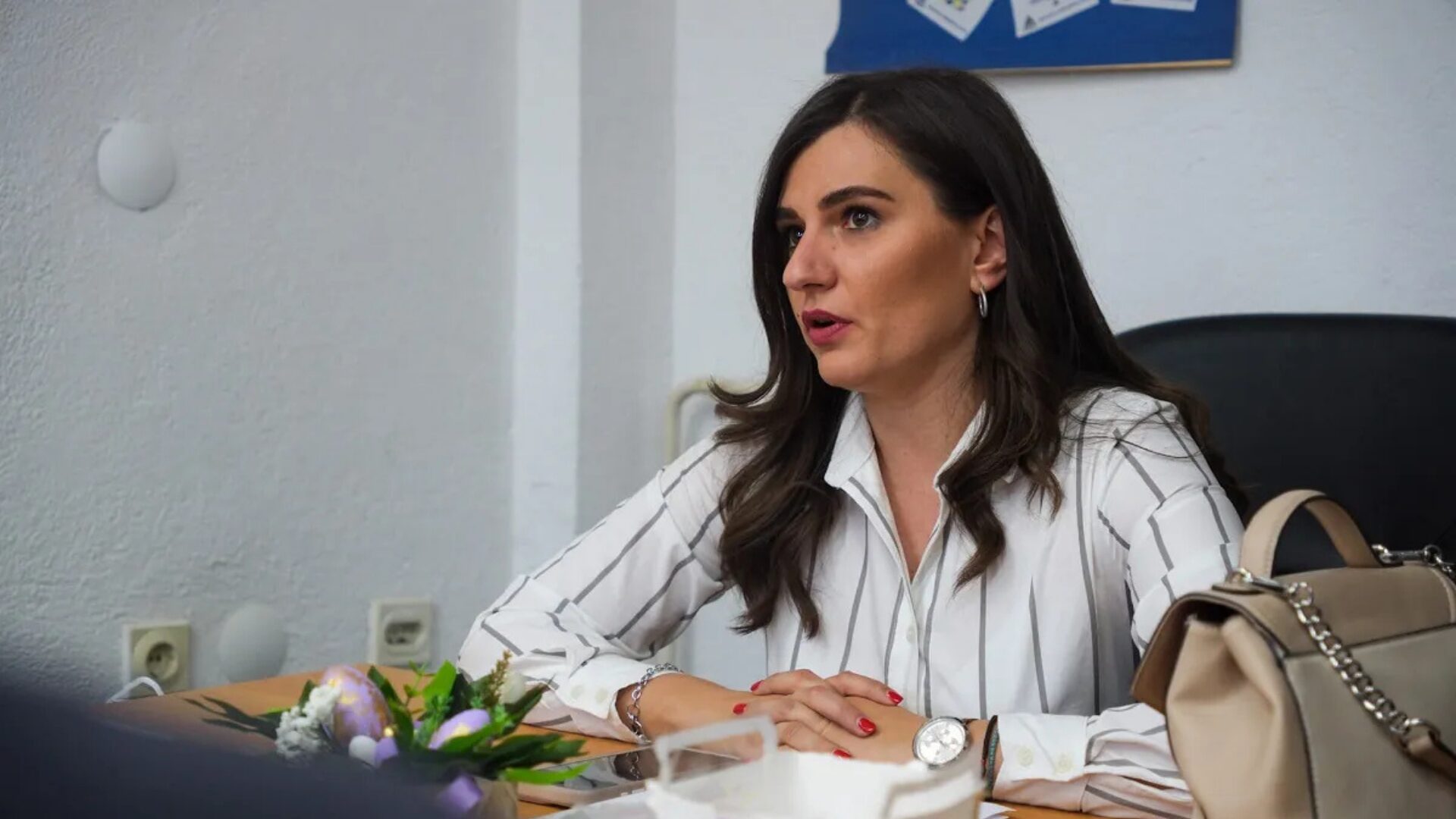
On these issues, and many others that directly affect the everyday life of the Roma community, especially the women and girls within it, Mollëkuqja spoke with activist Selva Mustafi, one of the voices of Roma women working on these issues, who shared with us her perspective on what truly needs to change, and on the role young Roma can and should play as active participants in this change, not merely as observers of it.
What are the main problems Roma people face in North Macedonia today, and where do you think discrimination is still most present?
Even though I haven't lived in Macedonia for two years now, and perhaps I'm not experiencing the same problems we used to face, it's clear that Roma people still face the same problems as before: poverty, low employment rates, discrimination, racism, and so on. In fact, these are problems the general population faces as well, except Roma people experience them three times more than other communities, as a result of decades of exclusion, non-acceptance, systemic racism, and so on.
I think discrimination is present everywhere and, unfortunately, it's growing, especially within institutions and on social media, particularly with the rise of the right wing and nationalism, which are taking their toll.
Have you noticed any positive changes in the position of Roma people in recent years, particularly in access to education, employment, and justice?
There are positive changes. We've made progress in higher education for Roma people, and perhaps in the field of culture as well, but not in employment or justice.
Some of the changes that have happened are also thanks to international and Roma non-governmental organizations and networks, which invest in strengthening the Roma cause through these areas, while the state has done very little, almost nothing, in recent years.
How much do activism and the engagement of young Roma people influence the way the Roma community is talked about, and the fight against stereotypes?
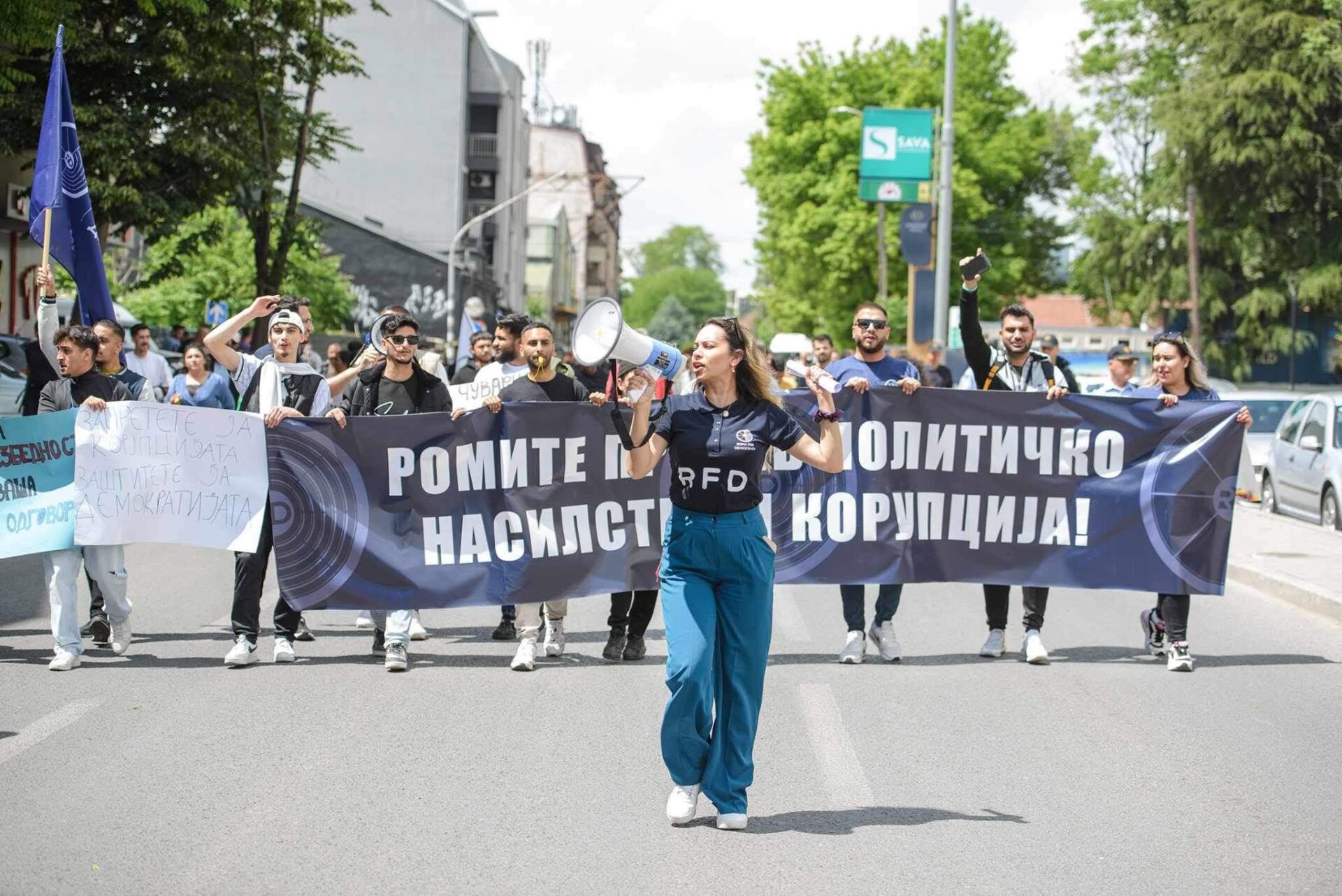
It only has an impact if it's sustained, and if institutions feel enough pressure through this activism and advocacy to change certain policies.
Otherwise, activism isn't a fight against the stereotypes others hold about us. That's a problem non-Roma people need to solve themselves, because they're the ones spreading hatred and stereotypes. I don't understand why those who are discriminated against should have to try to change the minds of racists or people who hate others.
As a Roma activist, do you think Roma representation in institutions, legal professions, and decision-making processes is increasing? What kind of change does that bring?
I think representation in our country has stalled for now, whereas a few years ago there was significant growth. I know there are positive examples in other countries in the region too.
When it comes to the decision-making process, maybe so. In Macedonia we have 21 Roma councilors across several municipalities, and as Roma political representatives, they can take part and influence decisions from their position as councilors.
Civil society has also been quite involved and continues to be part of various bodies within institutions, which allow our voice to be heard. But I'm not sure that voice is always taken into account.
What needs to change in society and in institutions so that Roma people are seen not only through the lens of problems and discrimination, but also through their potential, success, and contribution?
First of all, democracy and democratic processes need to improve. As long as state policies and the rule of law don't improve, problems will keep growing, not just for Roma people, but for all citizens.
Roma people need to be given more support and more opportunities for participation and advancement, because their starting point isn't the same as everyone else's.
On the other hand, the state needs to create the conditions to improve the economy, employability, and coexistence, so that proper conditions exist for every citizen.
Young people are leaving the country more and more every day. I believe this isn't happening because conditions are wonderful, but because they don't see any hope that things can improve.
The media also need to work on changing these narratives. People are sick and tired of political parties and party leaders, whom we see five times a day on the news. Instead of educational programs, participation, and employment, we're seeing a rise in hatred, nationalism, and so on.
Most important of all is how the state organizes elections and promises improvement. You can't run a campaign saying that if you win, things will be better tomorrow, while you go into the poorest neighborhoods, buy votes from the most vulnerable people, and forget about them the very next day. Let alone have zero accountability for election manipulation.
This is where everything begins. If we don't have democracy and fair elections, we can never move forward.