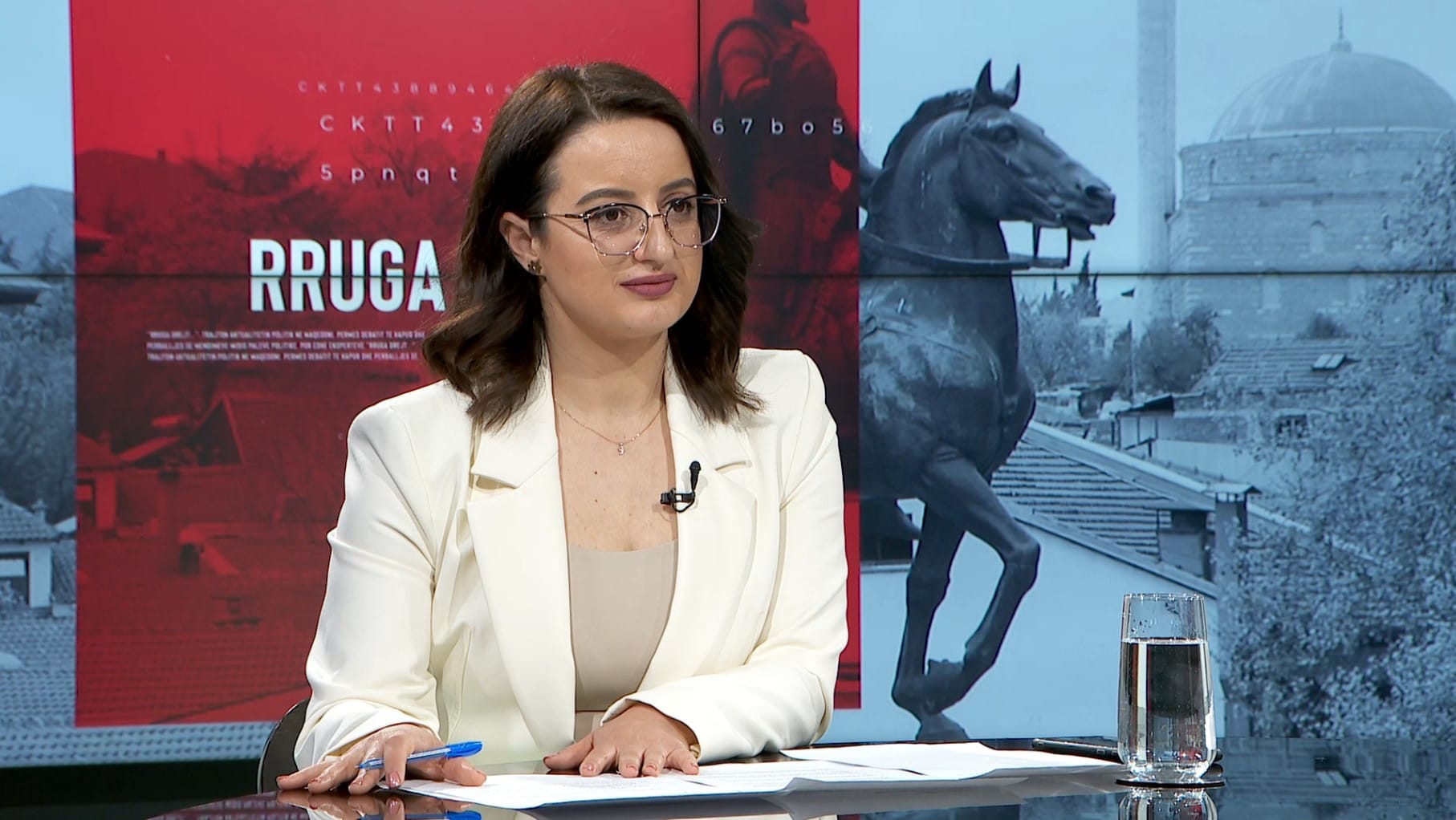
Unethical and unprofessional reporting on gender issues often results from a lack of skills in handling sensitive gender topics, a tendency toward sensationalism, and the feeding of deeply rooted narratives that reproduce gender stereotypes, which often turns the reporting itself into a problem. On this topic, we spoke with the editor at "Alsat M" and journalist, Fatlume Dervishi. She stressed the importance of media literacy, especially when it comes to more serious topics such as domestic violence or femicide.
Misreporting on gender issues often comes from a lack of information, from narratives rooted within the media themselves, frequently inclined toward sensationalism. To what extent is the media part of the problem it claims to report on?
The media is at once a mirror and a producer of social narratives, which is why it often becomes part of the very problem it claims to address or report on. When newsrooms follow the logic of clicks and sensationalism, gender issues are reduced to shocking stories rather than in-depth analyses of the problem.
This happens especially when there is no continuous training in gender-sensitive reporting and when cultural stereotypes remain unchallenged within the media, with no effort to detect and remove them. Instead of dismantling prejudices, some media reproduce them through their language, headlines, and the angle they take in their content. In this way, the media does not only inform, but also shapes perceptions that can be harmful. For this reason, the responsibility of the media is far greater than simply reporting the facts.
When violence against women or marginalized communities is treated as "crime-page news" for daily consumption, are the media normalizing violence instead of problematizing it?
Treating violence as "crime-page news" for quick consumption shifts the focus away from the structural causes and toward the sensationalism of the event. When reporting is daily and without context, there is a risk that the public will grow used to violence and perceive it as something ordinary.
This form of reporting often lacks analysis, expert voices, and the victim's perspective. Instead of prompting debate and reflection, it creates a cycle of emotional consumption of the news. This can lead to a desensitization of the public and a decline in sensitivity toward victims. The media must move from reactive reporting to reporting that explains and educates.
What are the most common mistakes and examples when journalists and media report poorly on sensitive gender issues, and how do they affect the way the public perceives gender issues and how much do they distort reality?
The most common mistakes include the use of language that blames the victim, the disclosure of unnecessary details, and the absence of gender context. We often see headlines that emphasize the personal relationship between the victim and the perpetrator, thereby relativizing the violence. Or, even worse, headlines that justify the abuser as jealous, as having a bad temper, or as driven by excessive love, in cases of gender-based violence within the family. Another problem is the use of stereotypes, such as portraying women as weak or dependent. Likewise, the lack of credible sources and experts makes the reporting superficial.
The media focus more on the private relationship or the personal story behind the violence than on seeking institutional accountability for the abuser. These mistakes directly affect the way the public understands gender issues, distorting them. Instead of a real picture, a skewed narrative is created that can justify or minimize the problems.
What are some signs that citizens can recognize in order to tell that a news report on gender issues has not been reported properly?
One of the main signs is the language used, whether it is sensationalist, biased, or blames the victim. Headlines that aim to shock and dramatize rather than inform are another indicator. A lack of context, statistics, or analysis points to poor reporting. Likewise, if there are no multiple sources or expert voices, the report may be one-sided. News about gender-based violence should be accompanied by statistics that show it is a phenomenon and not an isolated case. Unnecessary details or violations of the victim's dignity are also a warning sign.
At the end of the text, the other victims who may be potential viewers of your media content should always be taken into account, and therefore information should be provided on where and how they can report violence. An attentive citizen can easily recognize when a news report aims for clicks rather than quality information.
What needs to change in the way the media report on gender issues here, but also in the region?
What needs to change is the approach: from fast, sensationalist reporting to in-depth and responsible reporting. Newsrooms must invest in training for gender-sensitive reporting and develop internal ethical policies. It is important to include more experts and different perspectives in reporting. Stereotypical language must also be avoided, and a more balanced discourse promoted.
Cooperation with NGOs specialized in gender-based violence is essential. They are in constant contact with victims and have extensive knowledge and analysis of acceptable language and of language that can hurt or harm other victims. This is because the journalist's mission should also be to encourage other victims to report violence. Regional cooperation can help standardize best practices. In the end, the media must see itself as an active player in promoting equality, and not merely as a transmitter of events.