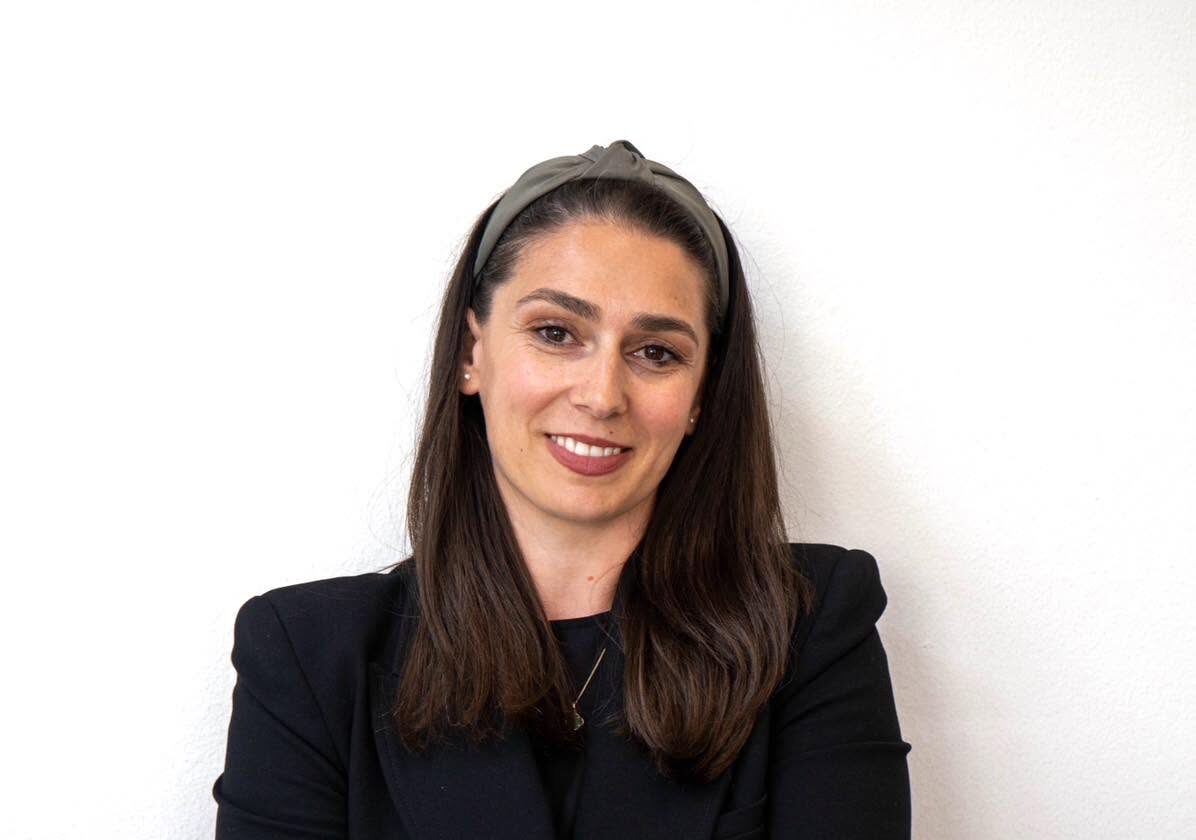
In societies where family expectations and traditional norms still carry significant weight, many of them live under constant pressure to hide an important part of themselves. Mollëkuqja spoke with psychologist and psychotherapist Fatlinda Nitaj to understand how these people experience family rejection, discrimination and the pressure to hide, and what role psychotherapy can play in coping with these difficulties.
How does society's treatment of LGBTQI+ people affect their mental health, and what are the most common psychological consequences you observe in your practice?
First, we need to make an important, fundamental distinction: sexual orientation or gender identity are not psychological disorders, whereas the mental health difficulties (problems) that can appear in LGBTQI+ people are mostly linked to the environment they live in and the way they are treated.
As a result, from clinical experience, the most common consequences that people in the community face can include anxiety, depression, lower self-esteem, social isolation, feelings of shame and guilt, difficulty forming secure relationships, sleep disturbances, and in the most severe cases, thoughts of self-harm or suicide.
What kind of emotional and psychological harm do constant stigma, family rejection or institutional discrimination cause in these people?
In the Kosovar context, family rejection is one of the potentially most severe factors, because the family is usually the first space where an individual expects safety, belonging and acceptance.
When an individual experiences rejection, threats, humiliation or conditional love, they may come to believe that something is "wrong" with them, and over time, external stigma can be internalized and turn into self-stigma.
So when a young person hears messages from their own family like "you've shamed us," "what will people think?," "you need to change," or faces the threat of being thrown out of the house, the damage can run much deeper than an ordinary family conflict.
Institutional discrimination makes the situation even harder, because the person may start to believe there is nowhere they can turn for protection. When discrimination happens at school, at work, in the healthcare system or in other institutions, it creates a sense of helplessness and insecurity.
In cases of prolonged exposure to threats, violence or humiliation, symptoms of psychological trauma can also appear.
Why, from a psychological, social and cultural perspective, do societies in the Balkans remain so closed off to sexual and gender diversity?
When it comes to this, there isn't just one reason, because it's more a combination of many historical, cultural, social and psychological factors.
First, we have a very strong family and collective structure. In more individualistic societies, the question might be "what does the individual want?" In our society, the question often becomes "what will the family say, and what will people think?"
Concepts like family reputation, marriage, continuing the family line, and traditional expectations of men and women continue to carry significant weight.
Second, there's a lack of education and information. For many Kosovar families, their first contact with LGBTQI+ issues hasn't come through psychology, medicine or education, but through political debates, social media, or other content that creates fear and polarization.
Third, the issue has become heavily politicized. Instead of discussing a real person and their mental health, the debate is often reduced to the question "are you for or against LGBTQI+?"
From a psychological perspective, this is a problematic approach.
We may hold different cultural, political or religious views, but in front of us there may be a 16 year old struggling with anxiety, a 22 year old afraid to tell their family how they feel, or a person who believes they will lose their home if their identity is discovered. At that point, the issue is no longer ideological. It's a matter of mental health and human dignity.
How do LGBTQI+ individuals experience the pressure to hide or to live an identity that isn't their own, and what long term consequences does this have for their mental wellbeing?
Constantly hiding such an important part of yourself takes a lot of psychological energy and creates ongoing internal pressure, and the person may be constantly thinking: "Who can I tell?", "What happens if others find out?", "Will I lose my family?", "Will I lose my job?", "Will I be safe?" and so on. This creates an ongoing state of mobilization, tension, vigilance and anxiety.
Some people end up building two lives: a public identity that meets the expectations of family and society, and a private identity they experience as authentic. The longer this conflict continues, the greater the distance can become between who the person really is and what they feel they have to present to the world.
The long term consequences include emotional exhaustion, chronic anxiety, depression, a sense of emptiness, difficulty with intimacy and relationships, as well as the feeling that the person isn't living their own life.
Finally, it's very important to stress that no one should ever be forced to reveal their sexual orientation or gender identity if they don't feel safe. Coming out should always be a personal decision, and physical, emotional, family and financial safety need to be taken seriously.
What role can professional psychological support play in healing from these social traumas, what needs to change in society for these people to feel safer and accepted, and how can societies become more open?
Professional psychological support can play a very important role, especially when a person has spent years dealing with rejection, fear, discrimination or self-stigma.
Psychotherapy can help a person better understand that feelings of shame and guilt don't come from their identity, but from the negative messages they've received from the environment they live in. Through psychotherapy, work can be done on building self-esteem, managing anxiety and depression, processing traumatic experiences, building safer relationships, and developing more effective coping strategies.
In the end, the goal shouldn't be for everyone to think the same way. In a democratic society, people can hold different cultural, personal or religious beliefs. But there is a minimum that must be non-negotiable: the dignity, safety and right of every person to live without violence, humiliation and discrimination.
A society becomes more open not when all differences between people disappear, but when we learn to live with those differences without denying one another's dignity.
This publication was produced within the framework of the project Queer and Present: Media, Rights and Safety for LGBTIQ+ persons in Pollog, which is implemented as part of the broader regional project Together for LGBTQI+ Equality, implemented by the Centre for Civic Education (CCE) in partnership with ERA – LGBTI Equal Rights Association for the Western Balkans and Turkey, Queer Montenegro, Queer Center Skopje, Tuzla Open Center, Open Mind Spectrum Albania (OMSA), and the Center for Social Group Development from Kosovo. The programme is funded by the European Union.

The contents of this publication are the sole responsibility of the Center for Equal Opportunities “Mollekuqja” and do not necessarily reflect the views of the European Union, CCE, or the project partners.